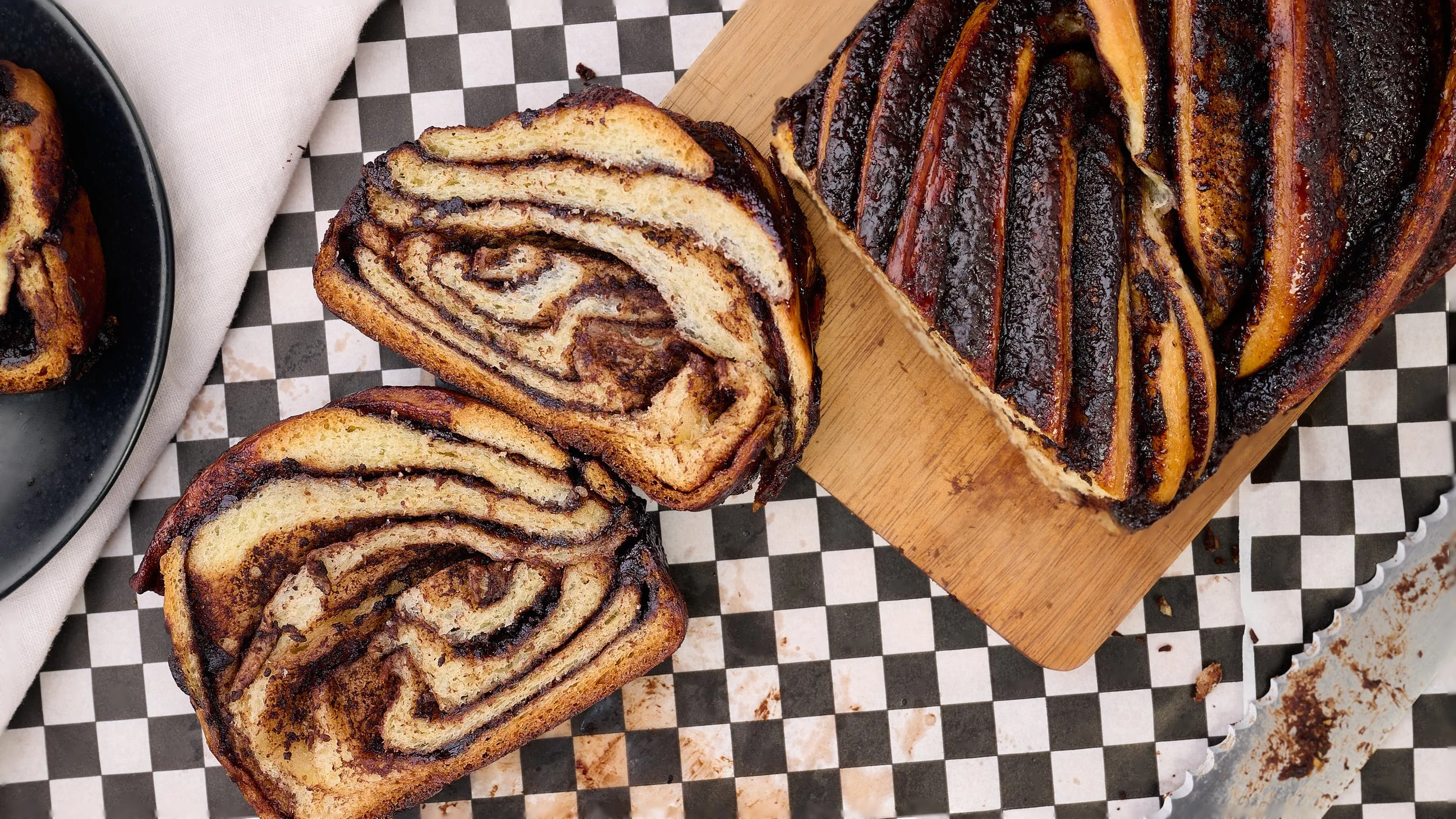
Double Chocolate Milk Bread Babka
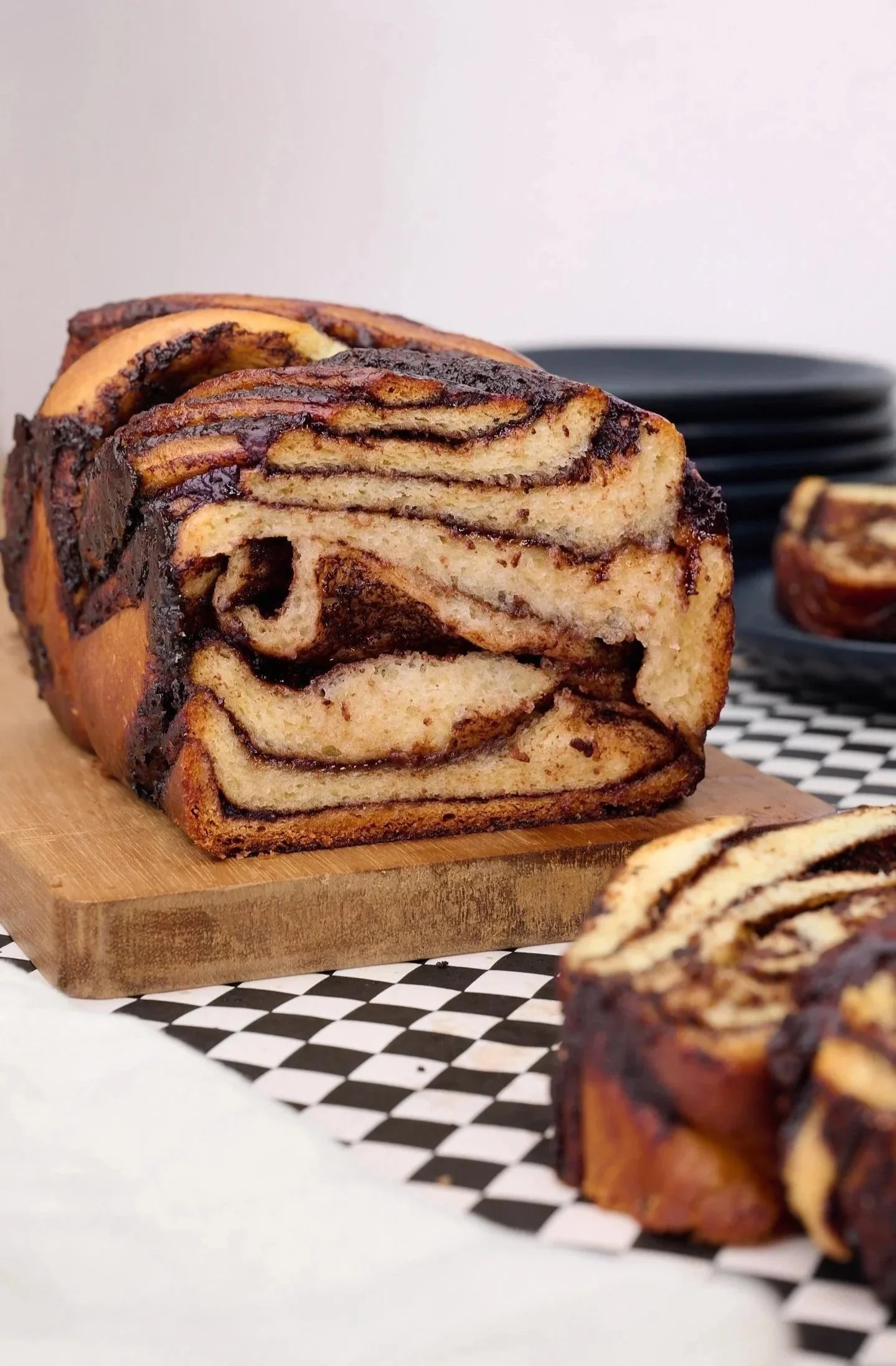
Makes 1 loaf (8.5 x 4.5″)Some recipes take only a few tests to get right. This babka was not one of them.
I kept getting great flavor but running into the same issues I’ve seen with other babkas: a dry texture, especially after sitting for a day. The solution ended up being one of my favorite techniques: Tangzhong, used in milk breads.
It may sound fancy, but all it means is cooking a small portion of the flour and liquid into a paste before adding it to the dough. This small step does two things: yields a softer, fluffier texture, and extends the shelf life. Exactly what I wanted for this babka.
Babka is considered either a cake or a bread, depending on the region. This version comes from Jewish tradition, made with enriched dough and braided with a rich chocolate filling that combines both semi-sweet chocolate and cocoa powder. Per tradition, the whole thing is finished with a soak of simple syrup to lock in moisture and give it a subtle sheen.
Note: If your stand mixer is larger than a standard 4.5–5 quart, I recommend doubling the recipe. A single batch may be too small to knead effectively in a large bowl.
WHAT YOU’LL NEED
-
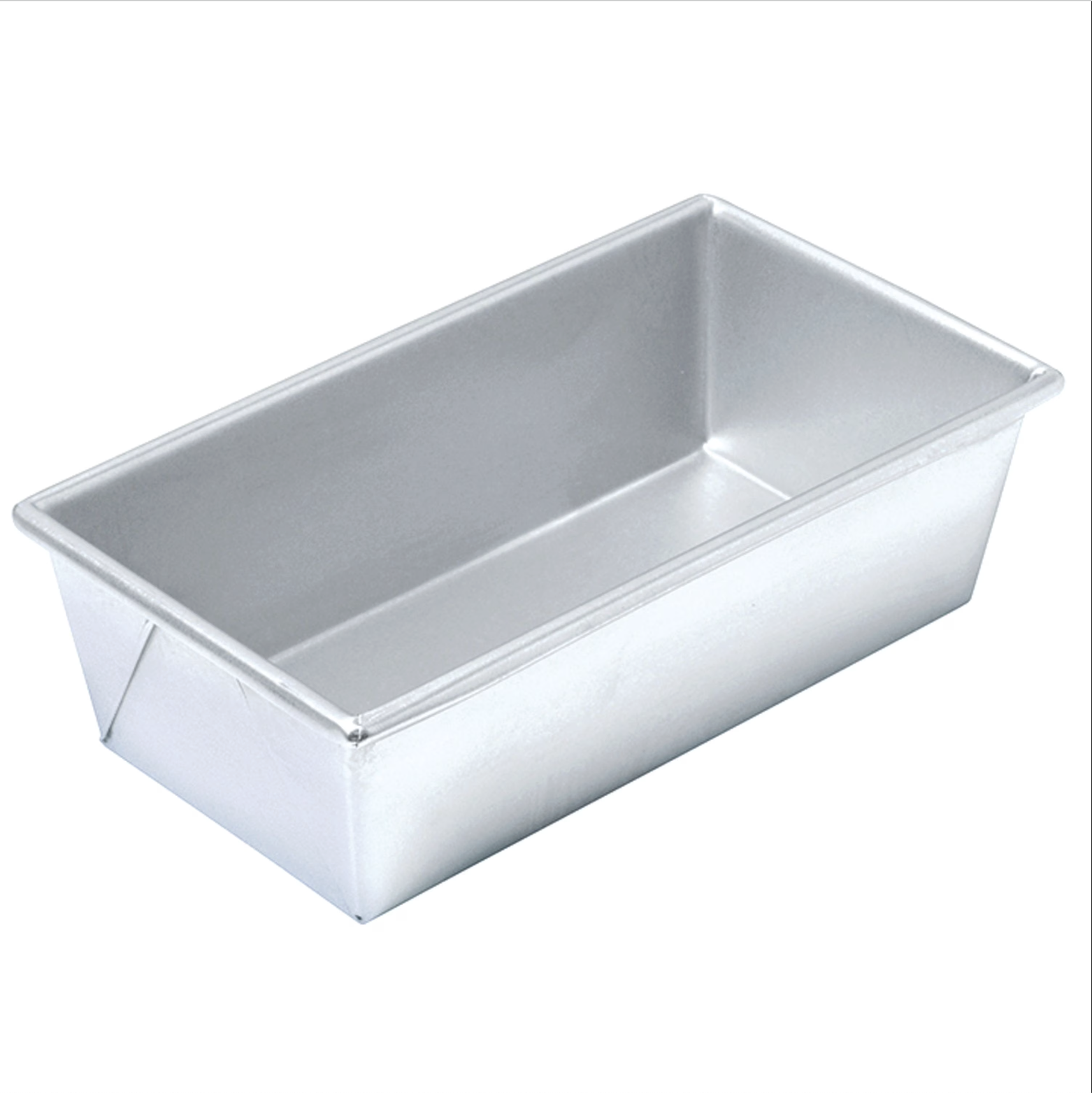
![loaf pan best metal loaf pan loaf cake pan quick bread pan amazon]()
8.5 x 4.5" Loaf Pan
-
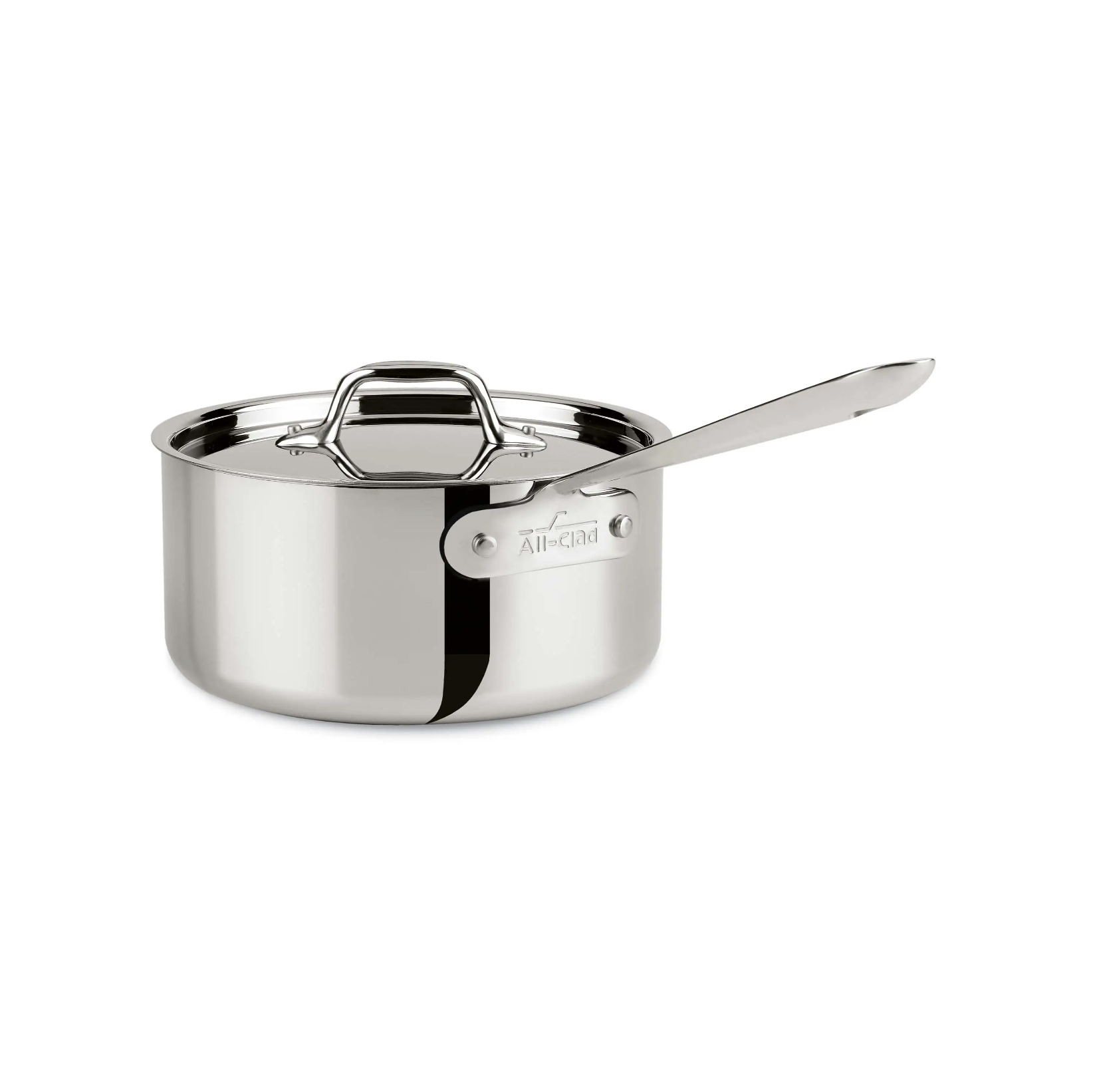
![Saucepan on amazon best chocolate rolls recipe best chocolate rolls]()
Saucepan
-
![Oxo Stainless Steel Eleven Inch Whisk on Amazon best stainless steel whisk best kitchen whisk]()
Whisk
-
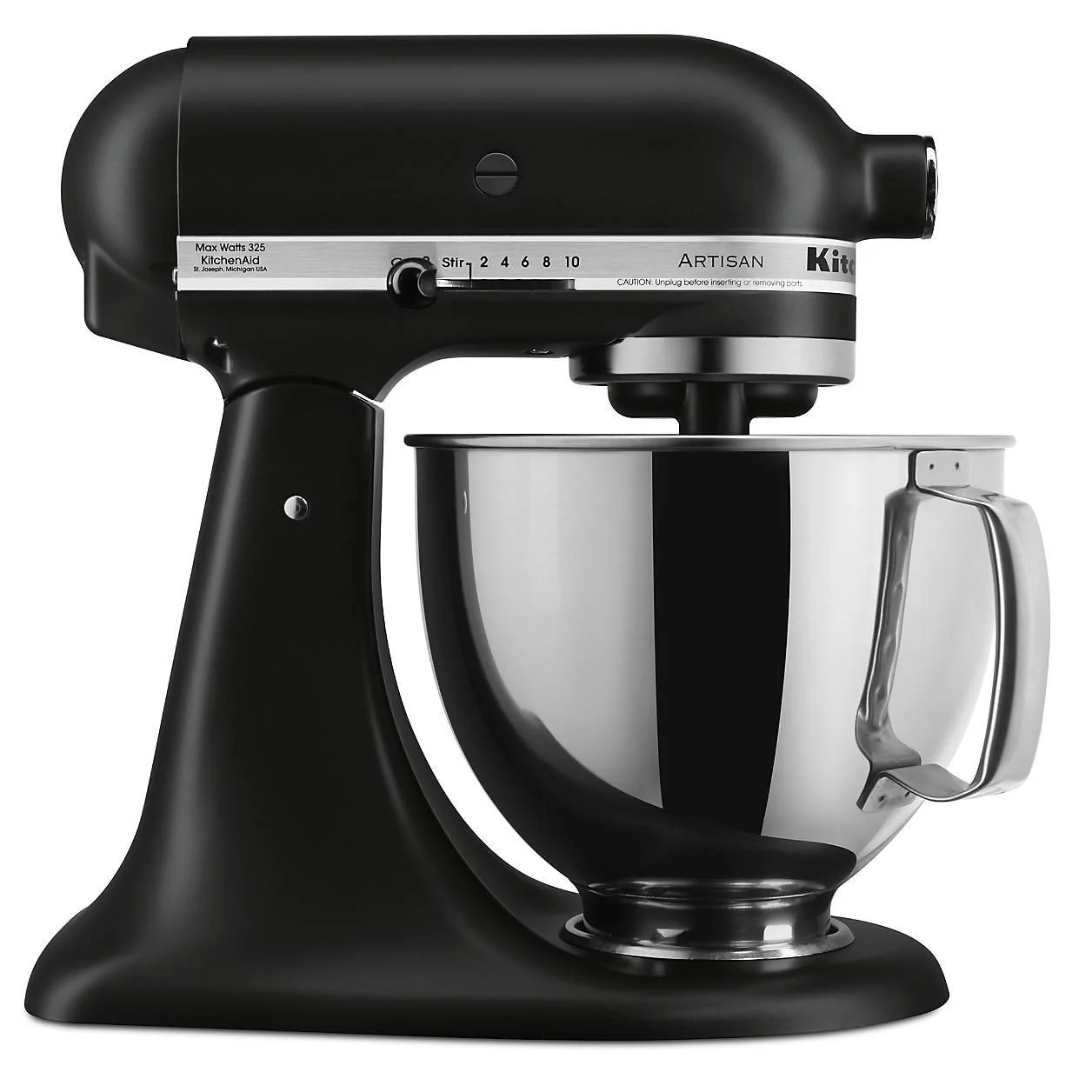
![Kitchen Aid Five Quart Stand Mixer in Matte Black Finish on Amazon]()
Stand Mixer
-
![Oxo good grips everyday spatula on amazon best silicone spatula best rubber spatula for cooking]()
Spatula
-
![Best rolling pin amazon best french rolling pins rolling pin for sale best rolling pin]()
Rolling Pin
-
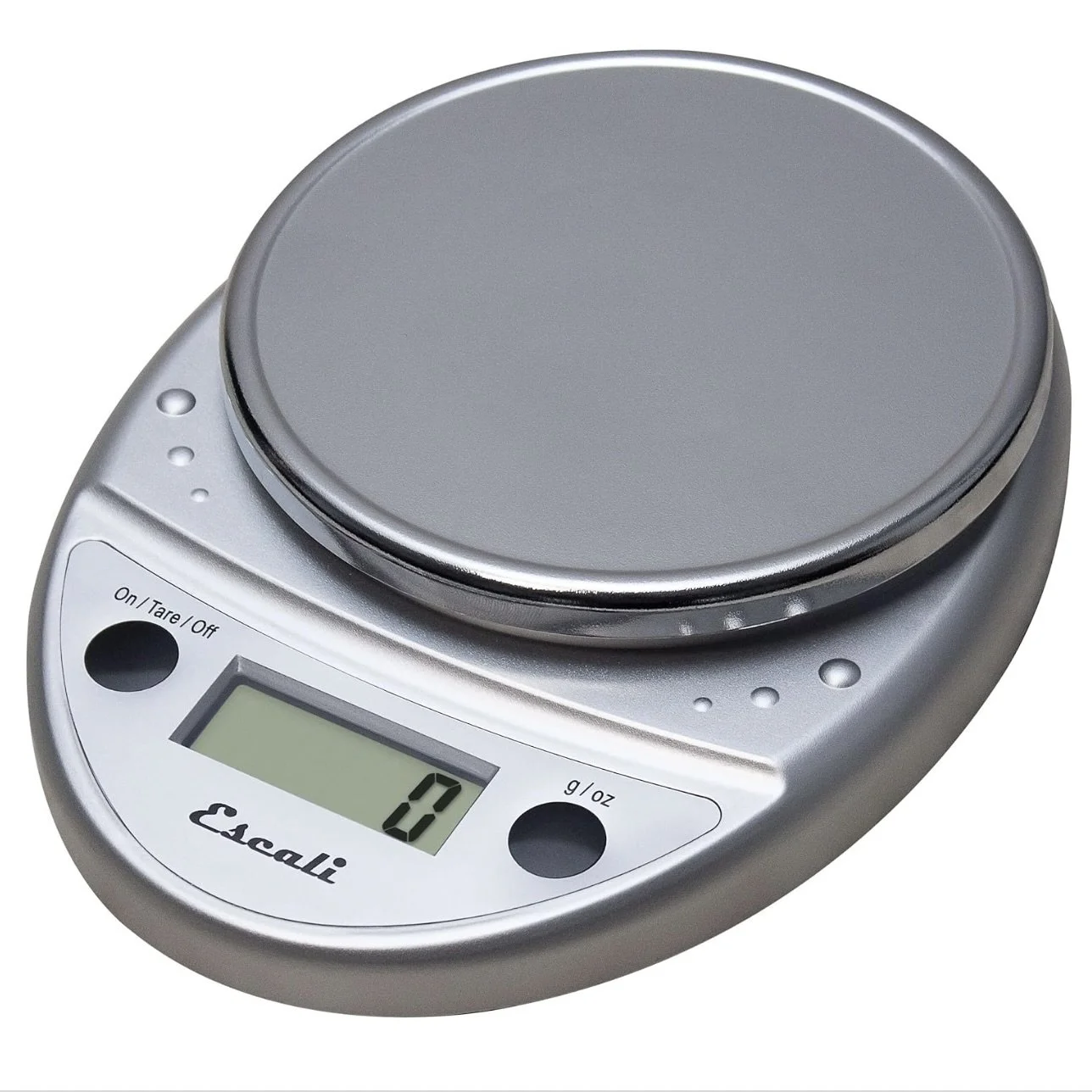
![Escali Digital Food Scale in Chrome Color on Amazon]()
Digital Kitchen Scale


INGREDIENTS
Tangzhong
¼ cup whole milk (60g)
1 ½ tbsp all-purpose flour (13g)
Babka Dough
2 cups all-purpose flour (240g)
2 ½ tbsp granulated sugar (35g)
1 ¼ tsp instant yeast (5g)
1 ½ tsp Diamond Crystal kosher salt (5g) (or 1 tsp Morton kosher salt)
¼ cup lukewarm whole milk, below 110°F (60g)
1 large egg + 1 egg yolk, room temperature
All of the cooled tangzhong
6 tbsp unsalted butter, very soft (85g)
Chocolate Filling
4 tbsp unsalted butter (57g)
4 tbsp heavy cream (60g)
4 oz chopped semi-sweet chocolate, 50–60% cacao (113g)
2 ½ tbsp Dutch-process cocoa powder, sifted if clumpy (15g)
⅔ cup powdered sugar, sifted if clumpy (80g)
1 tsp Diamond Crystal kosher salt
(or ¾ tsp Morton kosher salt)1 tsp vanilla extract
Simple Syrup
¼ cup granulated sugar (50g)
¼ cup water (60g)
Pinch of salt
DIRECTIONS
Make the Tangzhong
Whisk together milk and flour in a small saucepan until smooth.
Cook over medium heat, whisking constantly, until a thick paste forms (like mashed potatoes), about 2–3 minutes.
Scrape into a bowl and let cool completely before using (10–15 minutes).
Make the Dough & First Rise
In a stand mixer with a dough hook, combine flour, sugar, yeast, and salt. Add the milk, egg + yolk, and all the cooled tangzhong. Mix on low for 2–3 minutes until a shaggy dough forms.
Increase to medium speed and mix for 5–6 minutes until the dough is firm, elastic, and tacky.
Add the butter 1–2 tablespoons at a time, mixing until each addition is fully incorporated before adding the next. Scrape bowl/hook as needed. Once all butter is added, mix 7–10 minutes on medium speed until the dough is smooth, glossy, and can stretch thin without tearing (passes the windowpane test).
Shape the dough into a ball and place in a lightly greased medium bowl. Cover with plastic wrap. Then, choose one of the following rise options:
Same-Day (Faster): Let dough rise at room temperature for 1½ to 2 hours, until slightly puffy. Turn dough out and press into a flat rectangle. Wrap tightly in plastic wrap and freeze for about 30 minutes, until firm and well chilled (not frozen solid).
Note: Do not freeze longer than 30 minutes — if you’re not ready to roll yet, transfer the dough to the refrigerator instead to prevent it from freezing through.
Overnight (Preferred): Let dough rest (covered) at room temperature for 1 hour to kickstart fermentation. Then turn out the dough, press into a flat rectangle, wrap tightly in plastic wrap, and refrigerate overnight (8–24 hours).
Tip: Shaping into a clean rectangle here makes rolling later much easier.
Make the Chocolate Filling
Heat butter and cream in a saucepan over low until melted and steaming.
Remove from heat and add chopped chocolate, ensuring it’s fully submerged. Let sit for 2 minutes, then stir until smooth.
Whisk in cocoa powder, powdered sugar, salt, and vanilla until fully combined.
Cool at room temp until thick and spreadable like frosting.
Shape & Second Rise
Line and grease an 8.5 x 4.5″ loaf pan with parchment paper, leaving a bit of overhang on the long sides for easy removal after baking.
On a lightly floured surface, roll the chilled dough to an 11″ x 22″ rectangle (short side facing you).
Spread chocolate filling evenly all the way to the edges. Then, roll up tightly from the short (11″) side into a log.
Place log on a tray, cover, and chill for 20–30 minutes to firm up for clean slicing.
Trim off ends with a sharp knife, then slice log lengthwise into two equal strands.
With cut sides facing up, twist strands tightly together 3–4 times.
Gently press and compact the twisted log to fit your loaf pan snugly.
Transfer to the prepared pan. Cover and let rise in a warm spot for 1.5–2 hours, until puffy.
Tip: Take a before/after photo to help gauge rise.
Bake
Preheat oven to 350°F (175°C).
Bake for 50–55 minutes, placing the pan on a baking sheet. Tent with foil after 25–30 minutes to prevent over-browning. Internal temp should read 190–195°F (88–90°C).
While baking, make the simple syrup, cooking the sugar and water in a small saucepan until sugar has dissolved.
When the babka comes out of the oven, pour the syrup over it immediately while still hot — use all of it.
Let the loaf cool completely in the pan before removing. Serve slightly warm. Wrap tightly once cooled and keep 2–3 days at room temp, or freeze for longer storage.
RECIPE NOTES & TIPS
The rise time can vary based on the temperature of the dough and the room. If you have a cool kitchen, the rise may take longer than the times in the recipe. Go by how the dough looks, it should be puffy and airy, rather than just the clock.
Don’t skip the simple syrup soak! This is traditional for babkas and helps lock in moisture and extend shelf life. Pour the syrup while both the syrup and babka are still hot — this helps it absorb better, rather than just coating the top.
The babka will firm up slightly overnight as it cools. Wrap it tightly once fully cool and reheat slices gently to restore softness.
For babka shaping, roll the log as tightly as possible and twist the strands together with tension. A snug twist gives defined swirls and helps prevent large interior gaps.
To be precise and consistent when baking, I recommend using a Digital Food Scale. The one I linked is relatively inexpensive and in my opinion, a great investment for any home kitchen! But if you don’t have one, I’ll always include cup measurements as well.