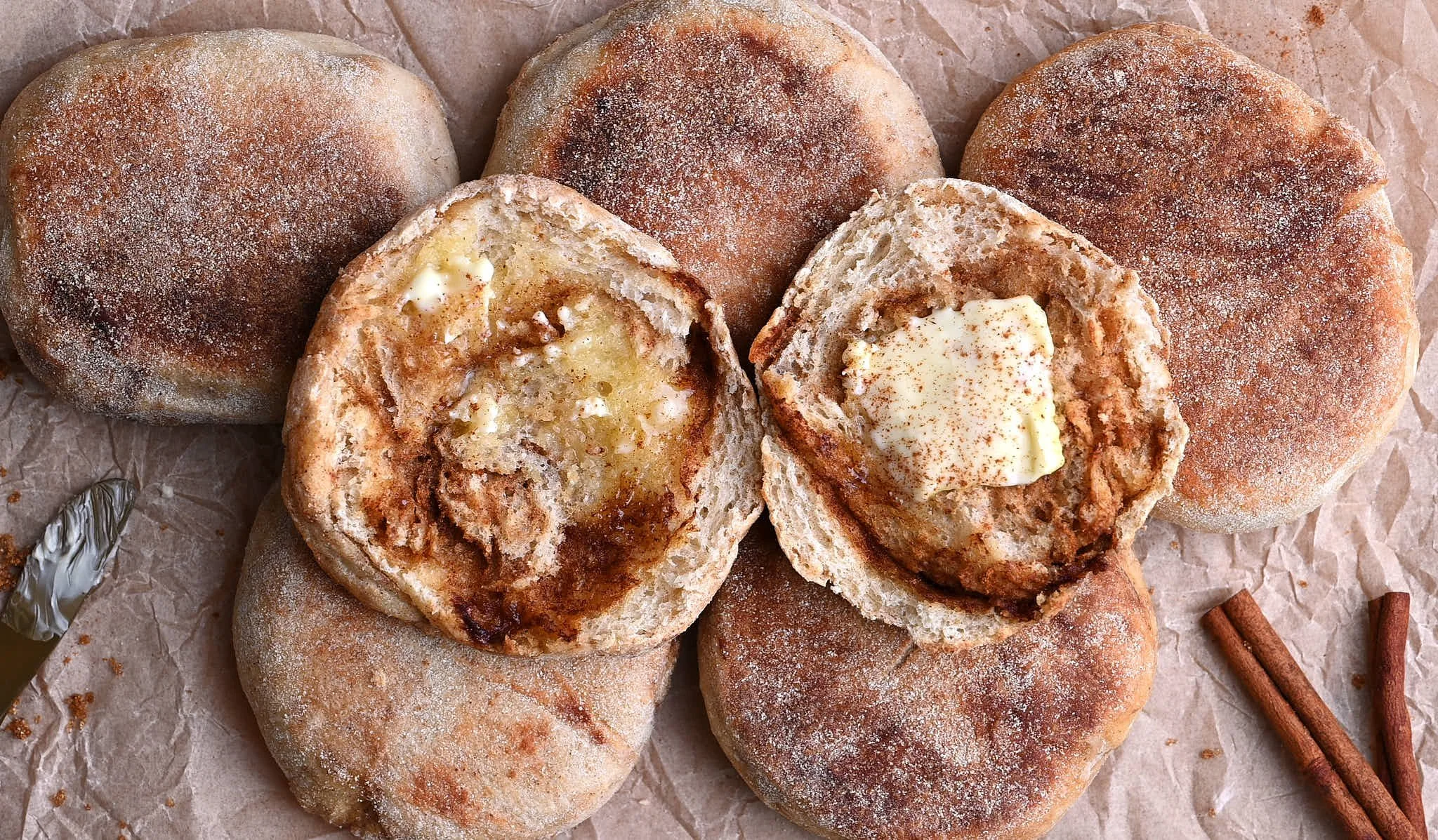
Cinnamon Swirl English Muffins
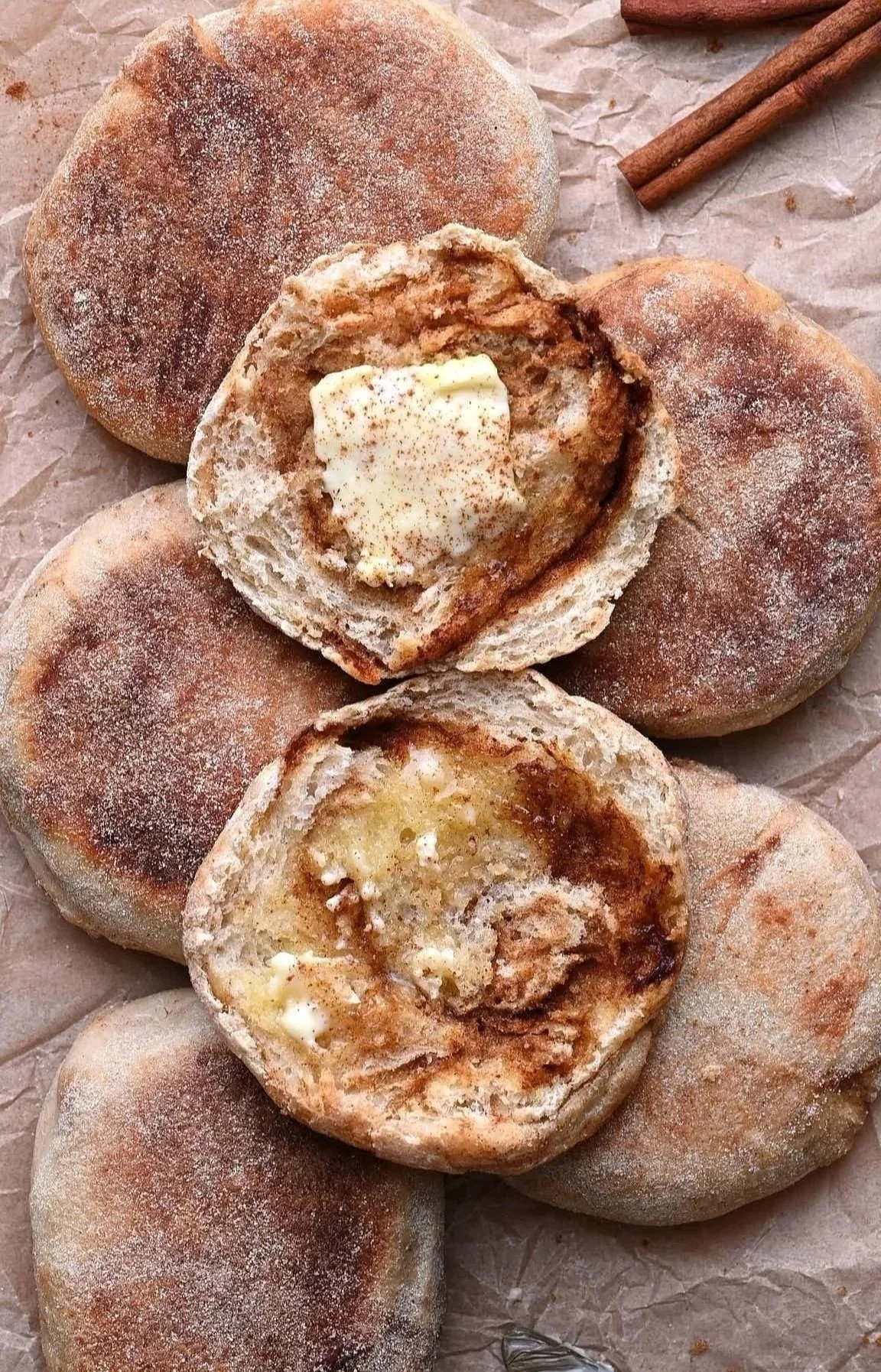
Makes 8 ENGLISH MUFFINSNote: This recipe uses a homemade yeasted dough, which requires about 2 ½ hours of total rising time — plan accordingly!
Growing up, I loved store-bought cinnamon swirl bread. I’d toast it, slap on more cinnamon-sugar, and have myself a good time. These are inspired by that memory and taste shockingly similar, but with the added bonus of an English muffin’s tender crumb and crisp, golden crust.
It’s the same base dough as my Za’atar English Muffins, just taken in a sweet direction with swirls of cinnamon, brown sugar, and butter marbled throughout. To get that dramatic swirl effect, you’ll partially knead the filling into the dough by hand. Fair warning: it gets messy and sticky, but that’s exactly what you want.
I use a hybrid cooking method here, starting the muffins on the stovetop for a deep, even sear, then finishing them in the oven to bake through completely.
Serve toasted (of course) and top them however you like. I still go for butter with extra cinnamon-sugar, just like when I was a kid.
WHAT YOU’LL NEED
-
![Kitchen Aid Five Quart Stand Mixer in Matte Black Finish on Amazon]()
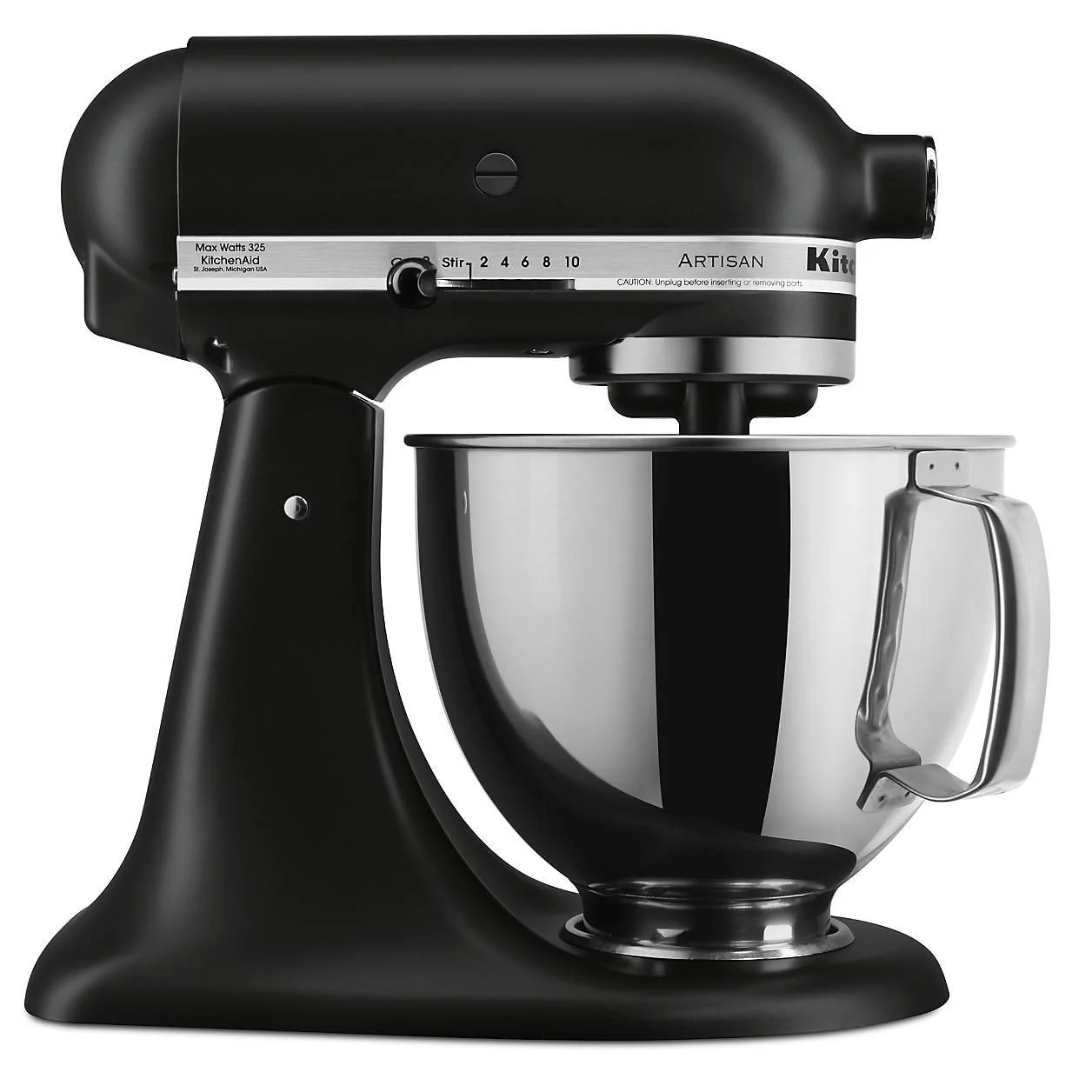
Stand Mixer
-
![Oxo good grips everyday spatula on amazon best silicone spatula best rubber spatula for cooking]()
Rubber Spatula
-
![All Clad Stainless Steel Medium Sized Sauce Pan on Amazon for tuna salad. Best saucepans.]()
Cast Iron Skillet
-
![serving spatula brownie spatula cookie spatula]()
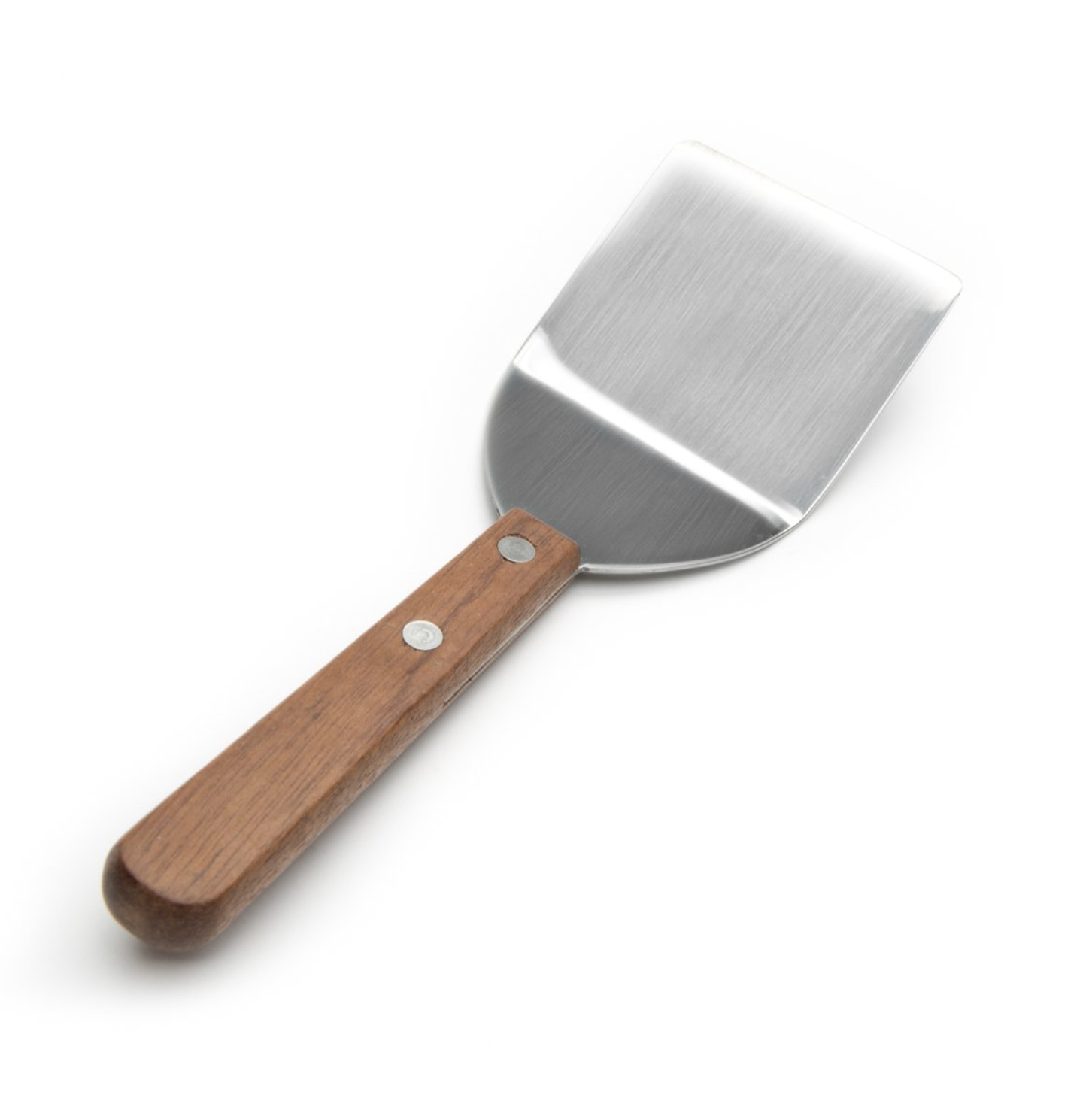
Spatula
-
![food thermometer baking thermometer probe thermometer]()
Probe Thermometer (optional)
-
![Escali Digital Food Scale in Chrome Color on Amazon]()
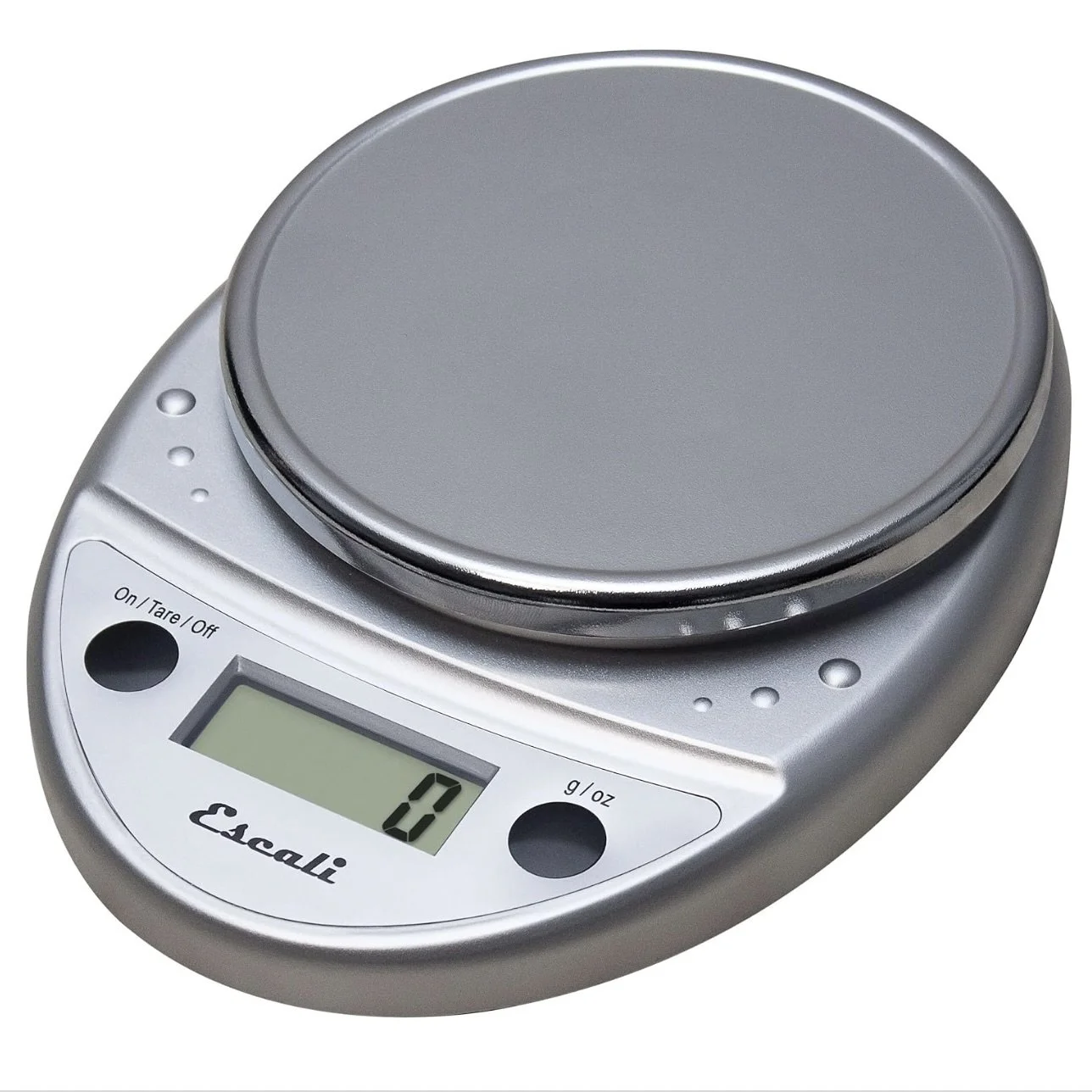
Digital Kitchen Scale



INGREDIENTS
Cinnamon-Sugar Filling
6 Tbsp packed dark brown sugar (80 g)
1 tbsp ground cinnamon
2 Tbsp unsalted butter, very soft (28 g)
¼ tsp Diamond Crystal kosher salt (or ⅛ tsp Morton kosher salt)
½ tsp vanilla extract
English Muffins
1 cup + 2 Tbsp lukewarm water (below 110°F / 270 g)
5 tbsp lukewarm whole milk (75 g)
1 tbsp granulated sugar (12 g)
1 tbsp honey (20 g)
2 tbsp unsalted butter, melted and cooled (30 g)
3 ½ cups bread flour (430 g)
2 tsp Diamond Crystal kosher salt (or 1 ¼ tsp Morton kosher salt — 12 g)
1 ½ tsp instant yeast (5 g)
Semolina or cornmeal, for coating
DIRECTIONS
Make the Cinnamon-Sugar Filling
Mix all ingredients in a small bowl until a smooth, spreadable paste forms. Set aside at room temperature.
Make the English Muffins & First Rise
In the bowl of a stand mixer fitted with the dough hook, add water, milk, sugar, honey, and cooled melted butter.
Add flour, salt, and instant yeast. Mix on low speed until combined but still shaggy, about 1 minute.
Cover and rest 20 minutes to allow the flour to fully hydrate.
Knead on medium‑low speed for 5–6 minutes, until smooth, elastic, and very sticky but cohesive.
Turn the dough out onto a well-floured surface. With greased hands, gently pat or stretch it into a rough rectangle about ½–¾ inch thick.
Spread small dabs of the cinnamon-sugar filling randomly over the dough, leaving visible areas of bare dough.
Fold the dough in on itself to fully enclose the filling (bring the edges toward the center and fold until all of the cinnamon sugar is sealed inside).
Once enclosed, knead the dough gently by hand just until the cinnamon filling begins to break through the surface and create visible streaks. Stop while the dough looks marbled and messy, not evenly colored. The dough will be sticky and imperfect at this stage — this is expected.
Gather the dough into a loose ball and place it in a well‑greased bowl.
Cover with plastic wrap and let rise at room temperature 1 ½–2 hours, until puffy, jiggly, and about doubled in size.
Shape & Second Rise
Line a sheet tray with parchment paper.
Turn the dough out onto a well‑floured surface and divide into 8 equal pieces.
With lightly floured or greased hands, shape each piece into a ball by pinching the ends together and rolling on a clean (unfloured) surface to seal. Then gently press to flatten into rounds. The dough will be sticky and uneven due to the cinnamon filling — that’s expected.
Dip both sides of each round into semolina, pressing down so it adheres.
Place the muffins on the prepared tray, leaving space between them.
Loosely cover with plastic wrap and let rise about 1 hour, until noticeably puffy.
Cook & Bake
Preheat oven to 350°F (175°C).
Heat a cast‑iron skillet or griddle dry (no oil) over medium‑low heat for 2–3 minutes.
Working in batches (3–4 at a time depending on pan size), cook muffins 4–5 minutes per side, until golden brown. Maintain medium‑low heat so the crust browns slowly without burning.
Transfer seared muffins to a parchment‑lined baking sheet.
Bake for 8–10 minutes, until the centers are fully cooked (internal temp ~200°F).
Let cool 20–30 minutes before splitting. Split by piercing around the edge with a fork and pulling apart; this gives classic nooks and crannies.
RECIPE NOTES & TIPS
These English muffins are best served toasted. They’re delicious on their own, or with toppings like butter, honey, cinnamon, peanut butter, jam, or cream cheese. I topped mine with a honey-cinnamon schmear: whipped cream cheese blended with honey, ground cinnamon, vanilla extract, and a pinch of salt.
Store in an airtight container at room temperature for up to 2 days. I don’t recommend refrigerating, as it can dry them out.
For longer storage, these freeze very well. Place in freezer bags and store for up to 2 months. Toast directly from frozen, or thaw at room temperature first.
Overnight Option: For improved flavor and flexibility, the dough can be cold-proofed overnight after shaping.
After the first rise, shape the dough into rounds as directed. Place on the parchment-lined tray, cover tightly with plastic wrap, and refrigerate for 8–10 hours.
The next day, let the dough come back to room temperature and rise until puffy (this may take 60–90 minutes, depending on your kitchen temperature).
Proceed with cooking and baking as instructed.