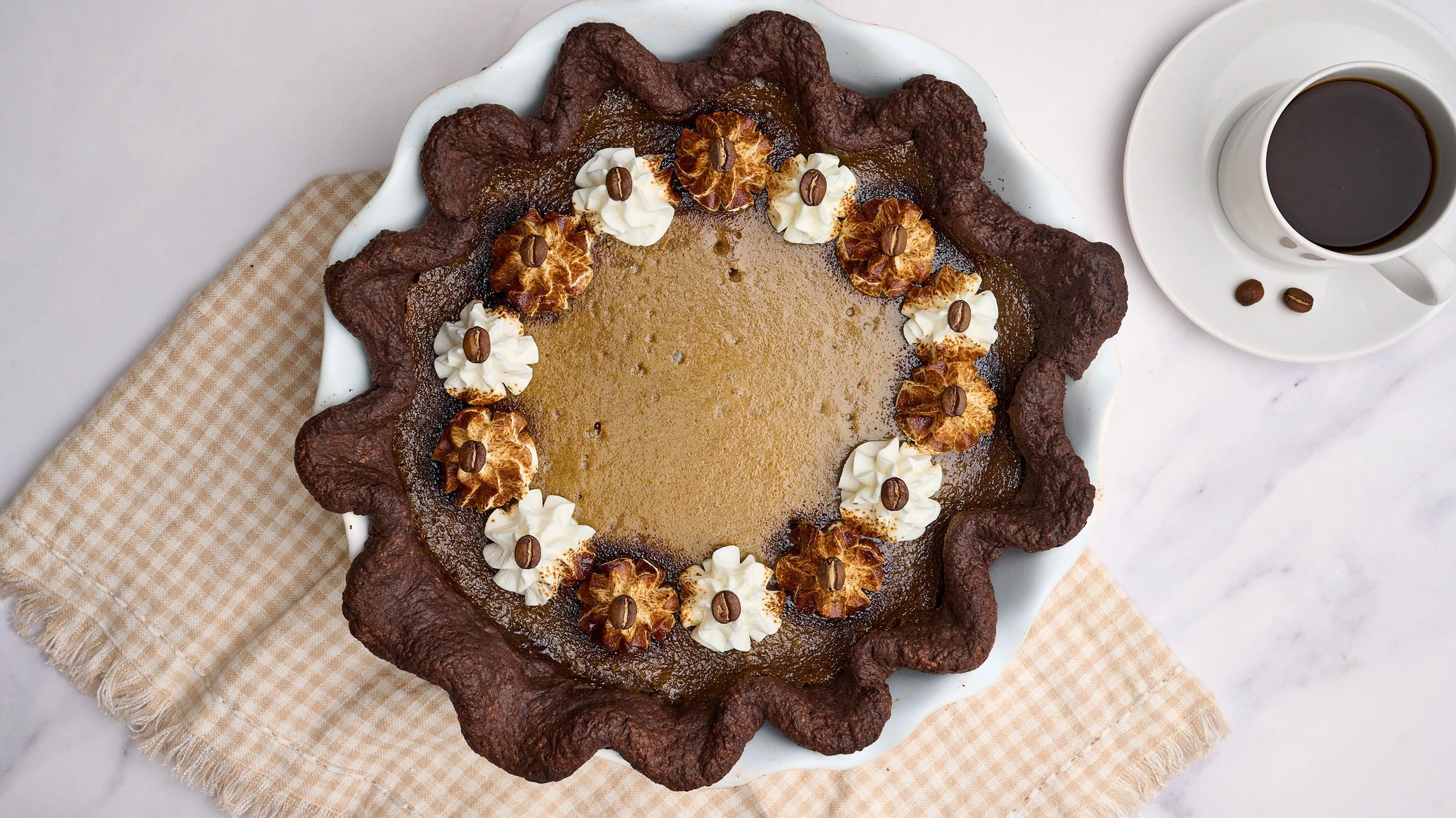
Coffee Chess Pie with Chocolate All-Butter Crust
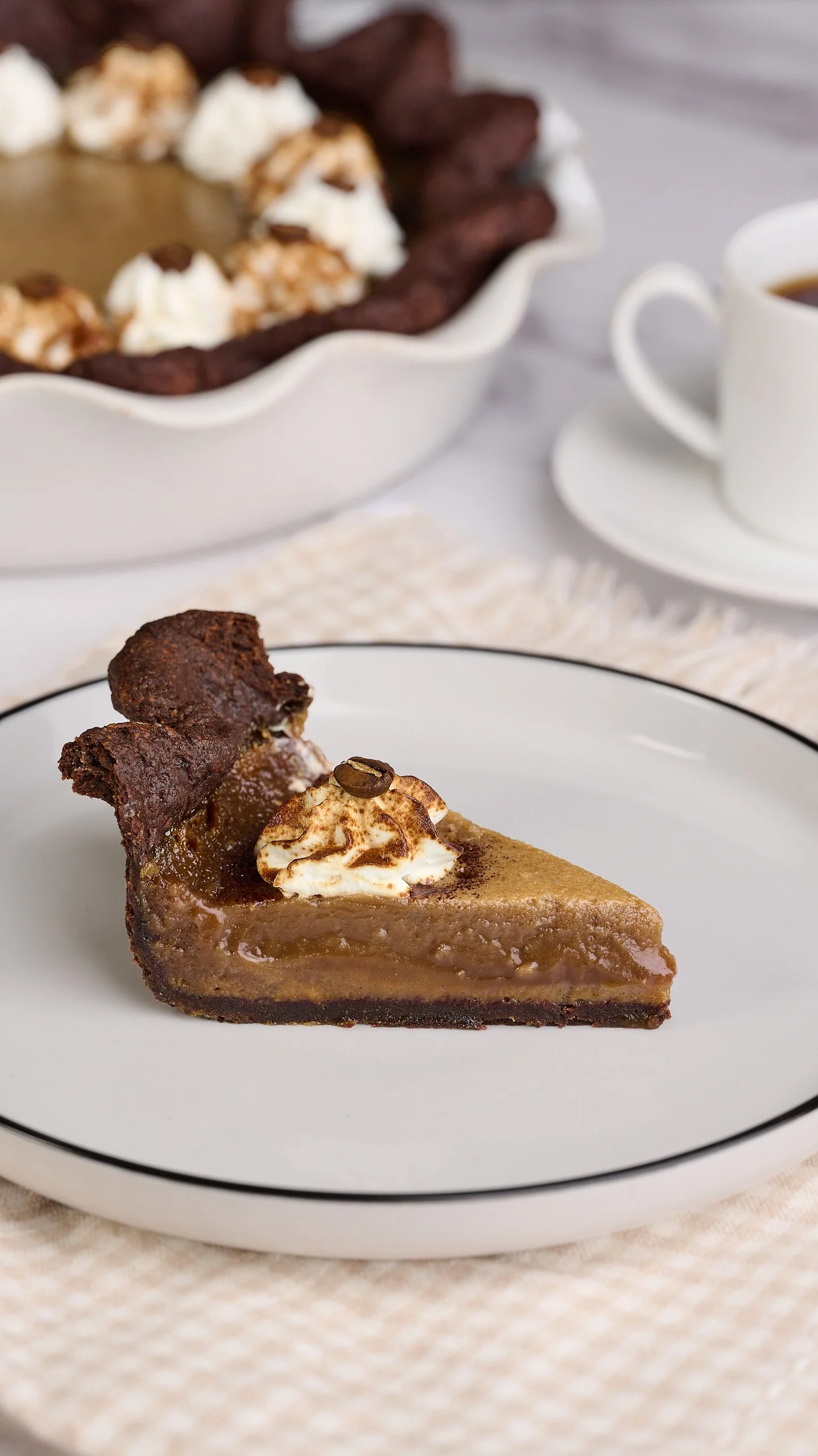
Serves 8I had never even heard of a chocolate all-butter pie crust until recently. I stumbled across one in a pie cookbook and couldn't stop thinking about it.
It's made much like a traditional all-butter pie crust, with some of the flour replaced by Dutch-process cocoa powder and just enough extra sugar to balance the cocoa's bitterness. Since cocoa contains no gluten, the crust bakes up more tender and cookie-like than a classic all-butter pie crust.
As soon as I tried it, I knew exactly what I wanted to fill it with: coffee chess pie. Chess pie is a classic Southern custard pie with a rich, silky, gooey filling. Cold brew concentrate and espresso powder give this version a bold yet creamy coffee flavor that pairs perfectly with the chocolate crust.
The hardest part? Waiting for the pie to cool. As tempting as it is to slice into it right away, the full 3-hour cooling time is essential for the filling to finish setting and develop its signature silky texture.
Note: I recommend making the dough a day ahead so it has plenty of time to chill before rolling and baking. Because chocolate crust can be more prone to shrinking and losing its crimp, I’ve included an optional shortening substitution to add stability and helps the decorative edge stay defined.
WHAT YOU’LL NEED
-
![deep dish pie pan 9 inch pie pan deep dish quiche pan cheesecake pan best amazon pie pans]()
9-Inch Pie Pan
-
![Cuisinart Nine Cup Food Processor on Amazon]()
Food Processor
-
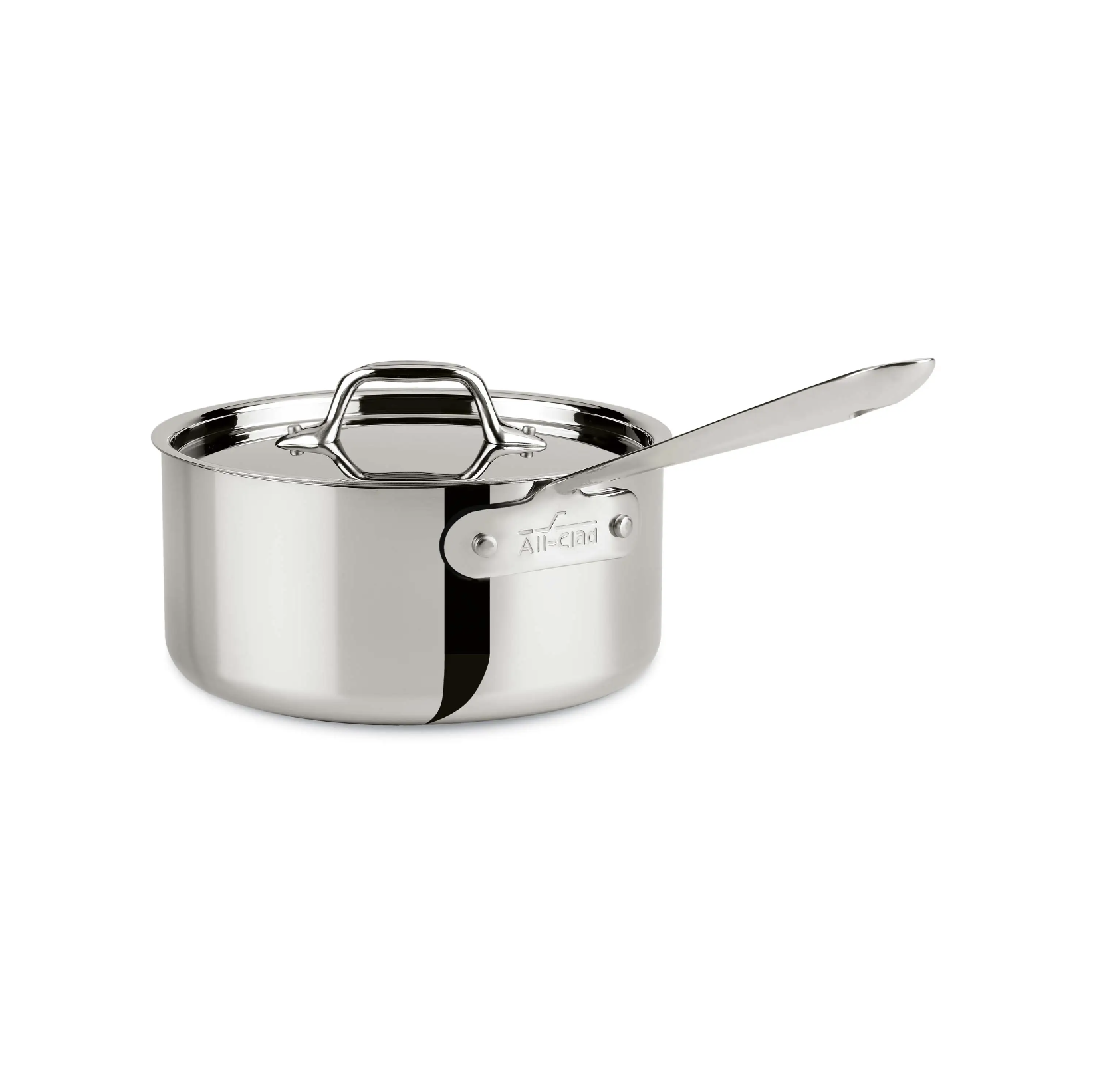
![Saucepan on amazon best chocolate rolls recipe best chocolate rolls]()
Medium Saucepan
-
![Oxo good grips everyday spatula on amazon best silicone spatula best rubber spatula for cooking]()
Spatula
-
![Oxo Stainless Steel Eleven Inch Whisk on Amazon best stainless steel whisk best kitchen whisk]()
Whisk
-
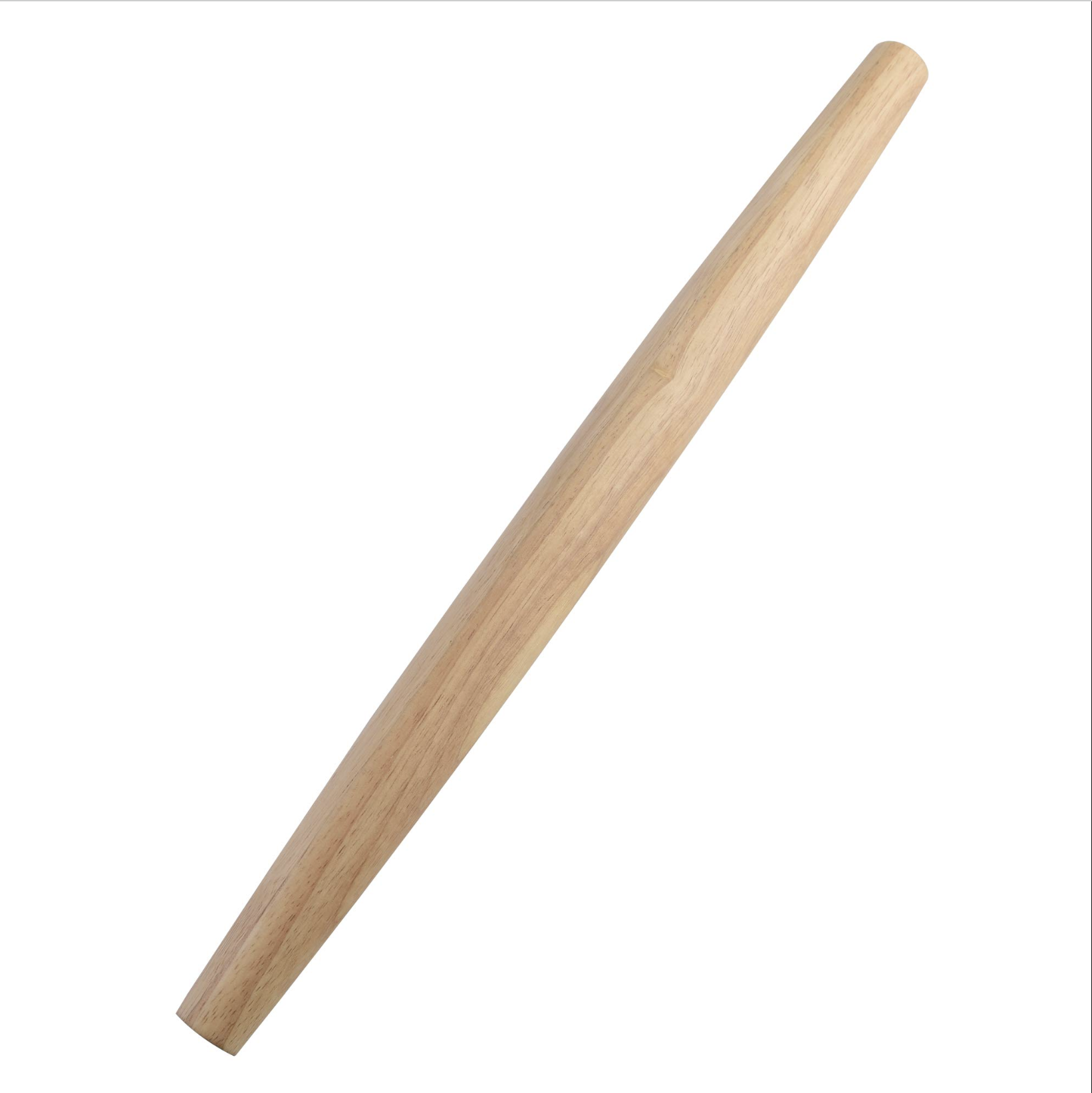
![Best rolling pin amazon best french rolling pins rolling pin for sale best rolling pin]()
Rolling Pin




INGREDIENTS
Chocolate All-Butter Crust
1 ¼ cups all-purpose flour (165 g)
¼ cup Dutch-process cocoa powder (30 g)
2 ½ tbsp granulated sugar (32 g)
1 tsp Diamond Crystal kosher salt (or ¾ tsp Morton kosher salt)
10 tbsp unsalted butter, very cold and cubed (142 g)
Optional: Replace 2 tbsp butter with 2 tbsp shortening for sharper crimps and less shrinkage.
1¼ tsp apple cider vinegar
5 tbsp ice cold water, plus more only if needed
Coffee Chess Filling
½ cup cold brew concentrate, like Chameleon (120 ml)
¾ cup packed light brown sugar (165 g)
8 tbsp unsalted butter, melted (113 g)
½ cup granulated sugar (100 g)
¼ cup fine yellow cornmeal (40 g)
2 tbsp espresso powder (8 g)
1 tsp Diamond Crystal kosher salt (or ¾ tsp Morton kosher salt)
2 large eggs, room temperature
1 large egg yolk, room temperature
⅔ cup heavy cream, room temperature (160 ml)
1 tbsp vanilla extract
DIRECTIONS
Make & Chill the Crust
Note: Because cocoa powder absorbs more moisture than flour, this dough is intentionally slightly more hydrated than a traditional pie crust.
Add the flour, cocoa powder, sugar, and salt to a food processor. Pulse 2–3 times to combine.
Add the cubed cold butter and pulse in short, 1-second bursts about 10–12 times, or until broken into small, pea-sized pieces. Do not run the processor continuously; pulse only.
Drizzle in the ice water and vinegar and pulse just until the dough starts to come together in scattered, uneven clumps. It should still look sandy; do not process until it gathers into one smooth mass.
Turn the mixture onto the counter and gently press it together into a disc. If the dough doesn't hold together when squeezed or there are still too many dry bits of flour, add more ice water 1 tsp at a time.
Wrap tightly in plastic wrap and refrigerate for at least 2 hours, preferably overnight.
Shape & Blind Bake the Crust
Lightly flour a work surface and rolling pin. Starting from the center of the chilled dough, roll outward in all directions, rotating the dough often and adding only enough flour to prevent sticking. Roll to about ⅛-inch thick.
Transfer to a 9-inch pie plate and use your fingers to gently press the dough down into the bottom corners and sides of the pan. Never pull or stretch the dough, or it will shrink back while baking.
Use kitchen scissors or a sharp knife to cut away the excess dough, leaving a 1- to 1½-inch overhang all around.
Tuck the overhang down and under itself and pinch to seal, forming a thick, double-layered rim. Press so the rim is even and uniform all the way around.
Using your thumb and index finger on one hand, and your opposing thumb on the other, pinch the dough to form a U-shaped crimp. Work your way around the entire perimeter.
Once the entire crust is crimped, go back around once more, gently pulling each crimp apart to exaggerate the shape and create large, even, well-defined crimps.
Once it’s crimped all around, use the same motion to pull each crimp in opposite directions, further accentuating the shape, making them dramatic, large, even crimps.
Freeze the shaped crust for 30 minutes while preheating the oven to 425°F (220°C).
Line the frozen crust with foil and fill completely to the rim with pie weights or dried beans, pressing them firmly against the sides.
Set the pie plate on a sheet pan and bake for 20 minutes, then remove the parchment and weights and dock the bottom with a fork.
Continue baking for about 10–12 minutes, or until the bottom is dry, matte, and fully baked.
Make the Filling
Reduce the oven temperature to 325°F (163°C).
In a small saucepan, combine the cold brew concentrate and brown sugar.
Cook over medium heat, whisking frequently, until the syrup becomes glossy and slightly thickened, about 8–10 minutes.
Immediately transfer the syrup to a large heat-safe bowl and let cool for 10–15 minutes, until warm but not hot.
Whisk the melted butter into the coffee syrup until completely smooth and emulsified.
Whisk in the granulated sugar, cornmeal, espresso powder, and salt just until no dry streaks remain.
Whisk in the eggs and yolk just until incorporated.
Then switch to a spatula and gently fold in the heavy cream and vanilla just until smooth.
Pour into blind-baked crust set on a sheet pan and tap the pie plate gently on the counter to release any surface bubbles.
Bake for 45–50 minutes, or until the surface is mostly set but the center has a noticeable wobble when nudged.
Cool completely on a wire rack for at least 3 hours and serve at room temperature.
RECIPE NOTES & TIPS
This pie is best served at room temperature, when the filling is at its glossiest and most luscious. Leftovers can be refrigerated, where the filling becomes slightly firmer and more fudge-like while remaining deliciously gooey.
The pie dough can be prepared up to 2 days in advance. To save time, I like to make and shape the crust the day before, then cover and refrigerate it overnight before freezing and blind baking the next day.
Allowing the full cooling time before slicing is critical to achieving the proper texture. As tempting as it is to cut into the pie early, waiting at least 3 hours gives the filling time to finish setting and develop its signature silky, gooey consistency.
The bake time is one of the most important parts of making a great chess pie. Remove the pie from the oven while the center still has a noticeable wobble when gently nudged. The filling will continue to set as it cools, creating its signature silky texture. Over-baking can cause the filling to become firm, grainy, or curdled.
Mix the filling only until each ingredient is incorporated. Overmixing traps excess air, which can create bubbles on the surface and prevent the pie from baking with a smooth, even finish.