Espresso Martini Tiramisu Cake
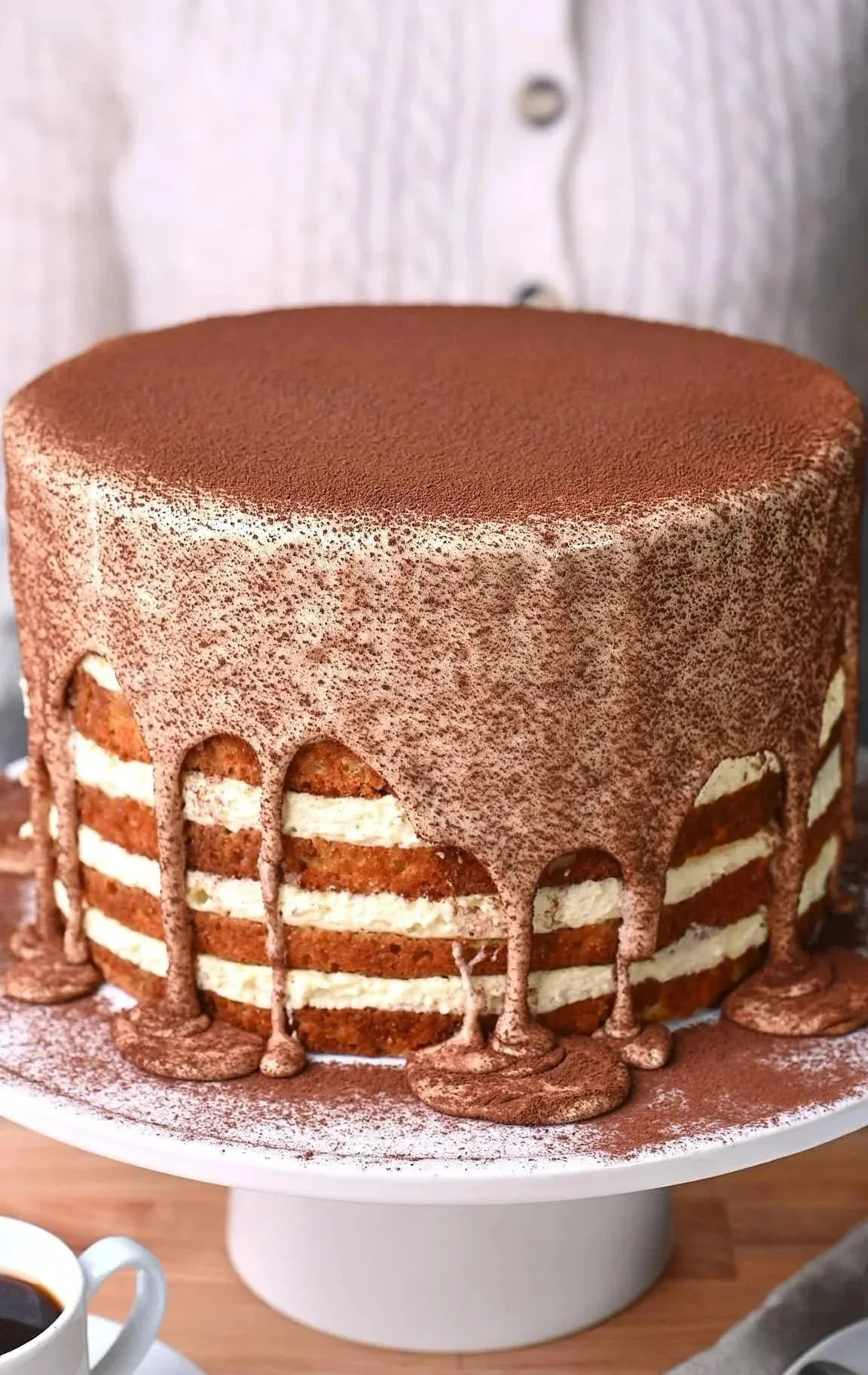
Serves 12Tiramisu. Espresso martinis. Chiffon cake. This recipe brings together some of my favorite flavors into one bold, boozy cake.
It starts with a super light and fluffy chiffon-style vanilla sponge — softer and more open than ladyfingers, which means more soak. And believe me, you want more of this soak: sweetened espresso or strong coffee, spiked with coffee liqueur, vodka, and vanilla.
The filling is a true tiramisu mascarpone cream, made by whipping egg yolks with sugar, mascarpone, and cream for the easiest, most delicious filling. Once chilled, the cake becomes even more moist — almost tres leches–like.
For maximum drama, it’s finished with reserved cream, thinned with a little heavy cream and poured over the top, then dusted generously with cocoa. A true showstopper that’s both an after-dinner drink and dessert in one.
WHAT YOU’LL NEED
-
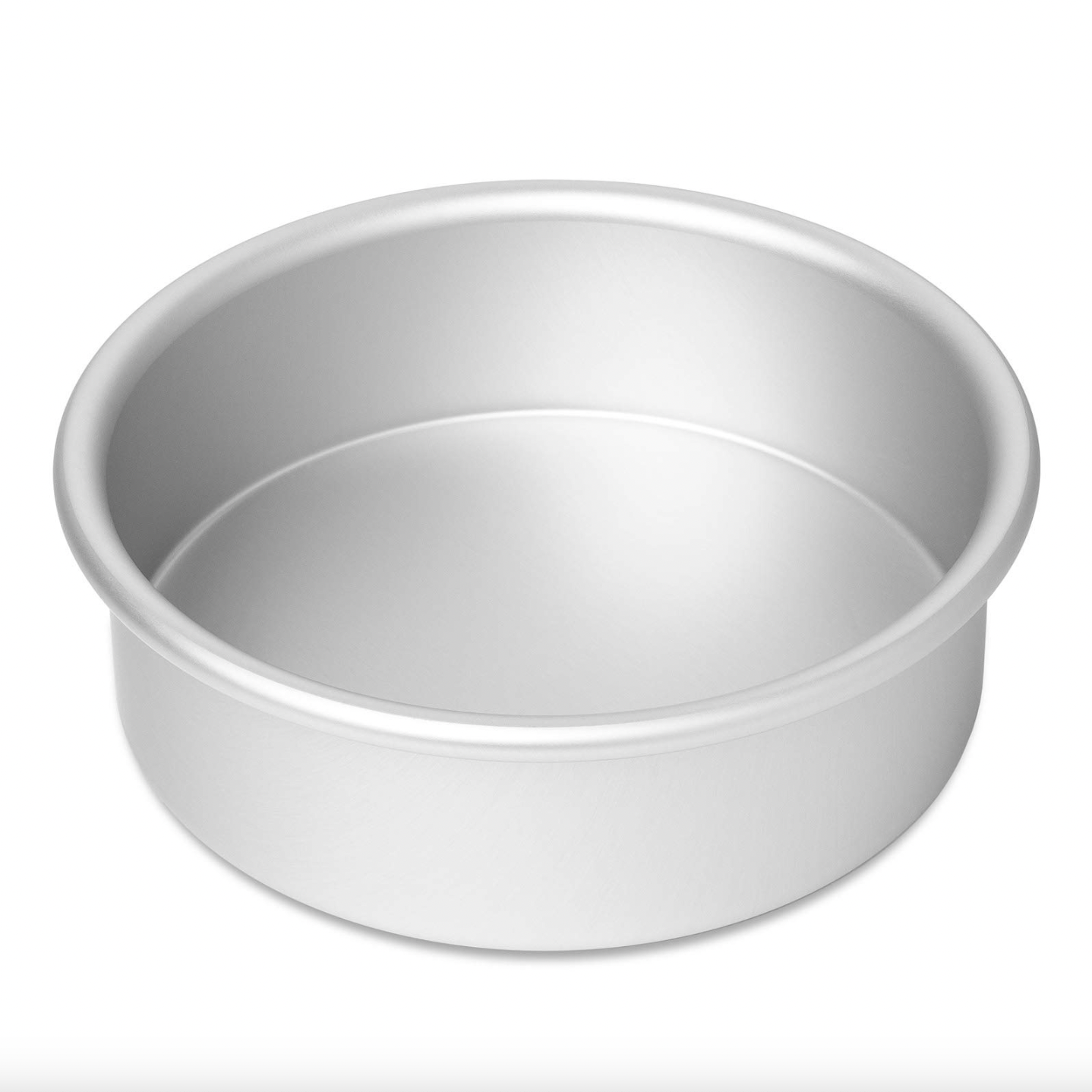
![Eight Inch Round Cake Pans from Amazon fat daddios best 8 inch cake pans aluminum metal]()
Three 8-Inch Cake Pans
-
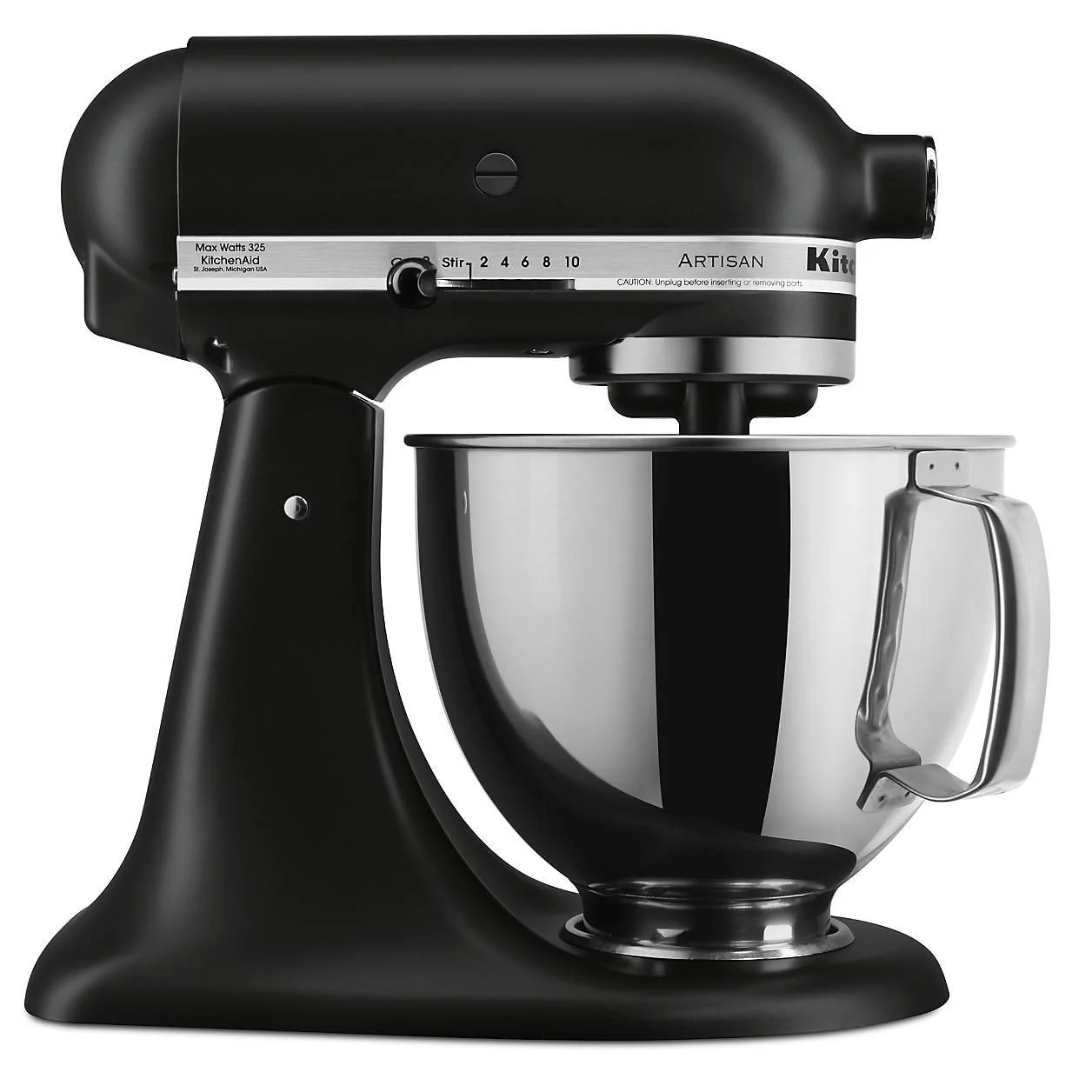
![Kitchen Aid Five Quart Stand Mixer in Matte Black Finish on Amazon]()
Stand Mixer
-
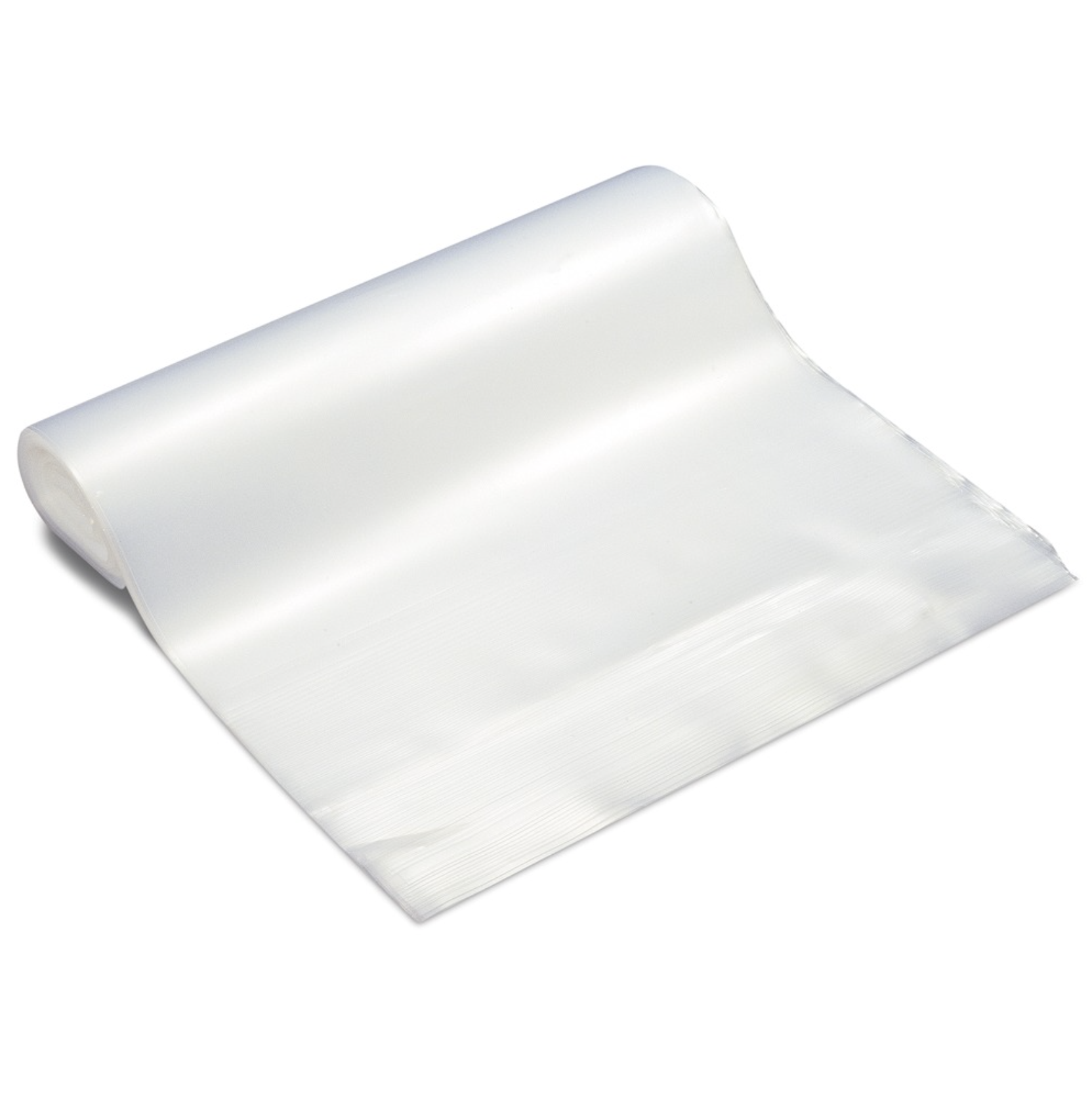
![acetate sheets for cake collar baking acetate rolls cake collars]()
Acetate Sheets (optional)
-
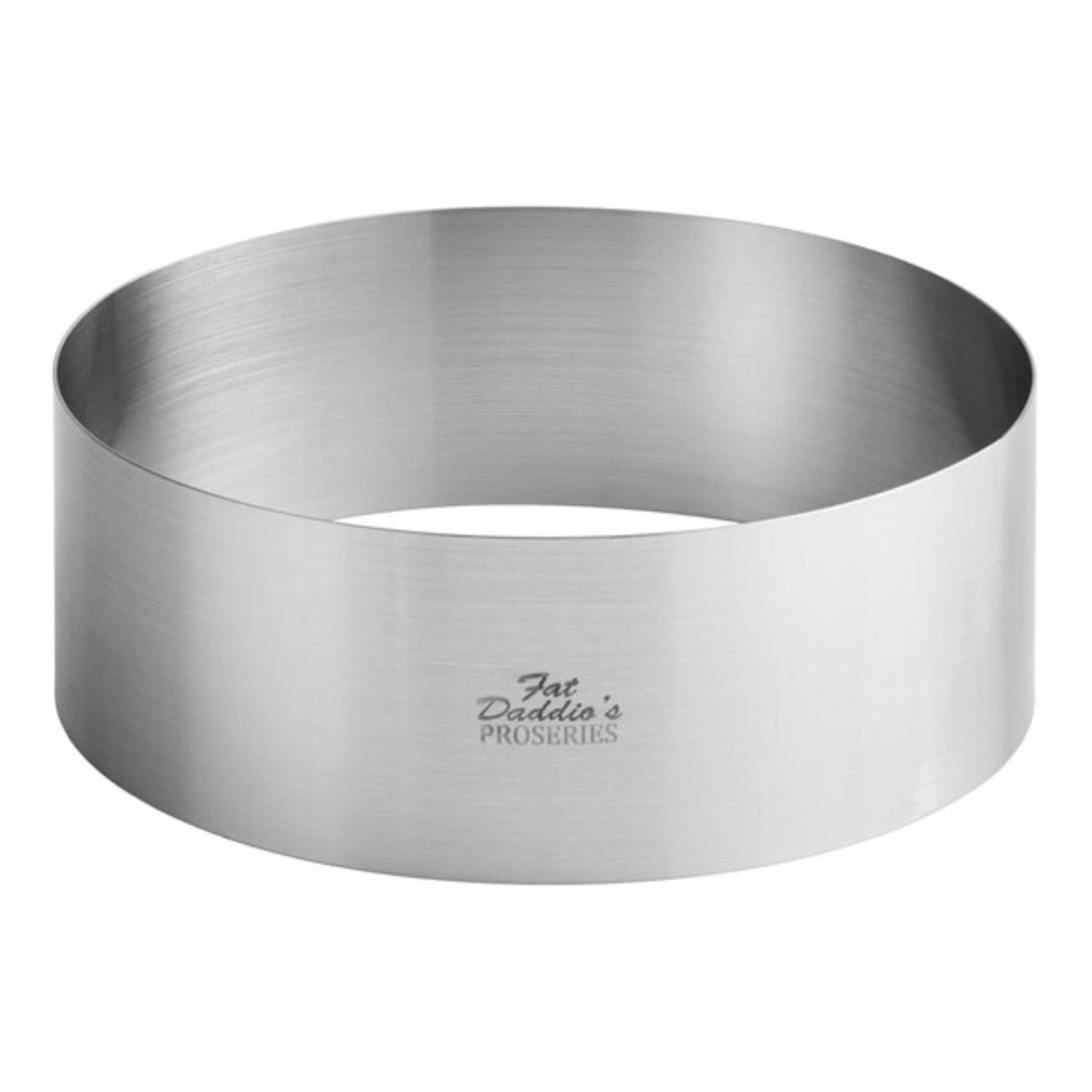
![cake ring 8 inch cake ring cake ring sets adjustable cake ring]()
8" Cake Ring (optional)
-
![Oxo Stainless Steel Eleven Inch Whisk on Amazon best stainless steel whisk best kitchen whisk]()
Whisk
-
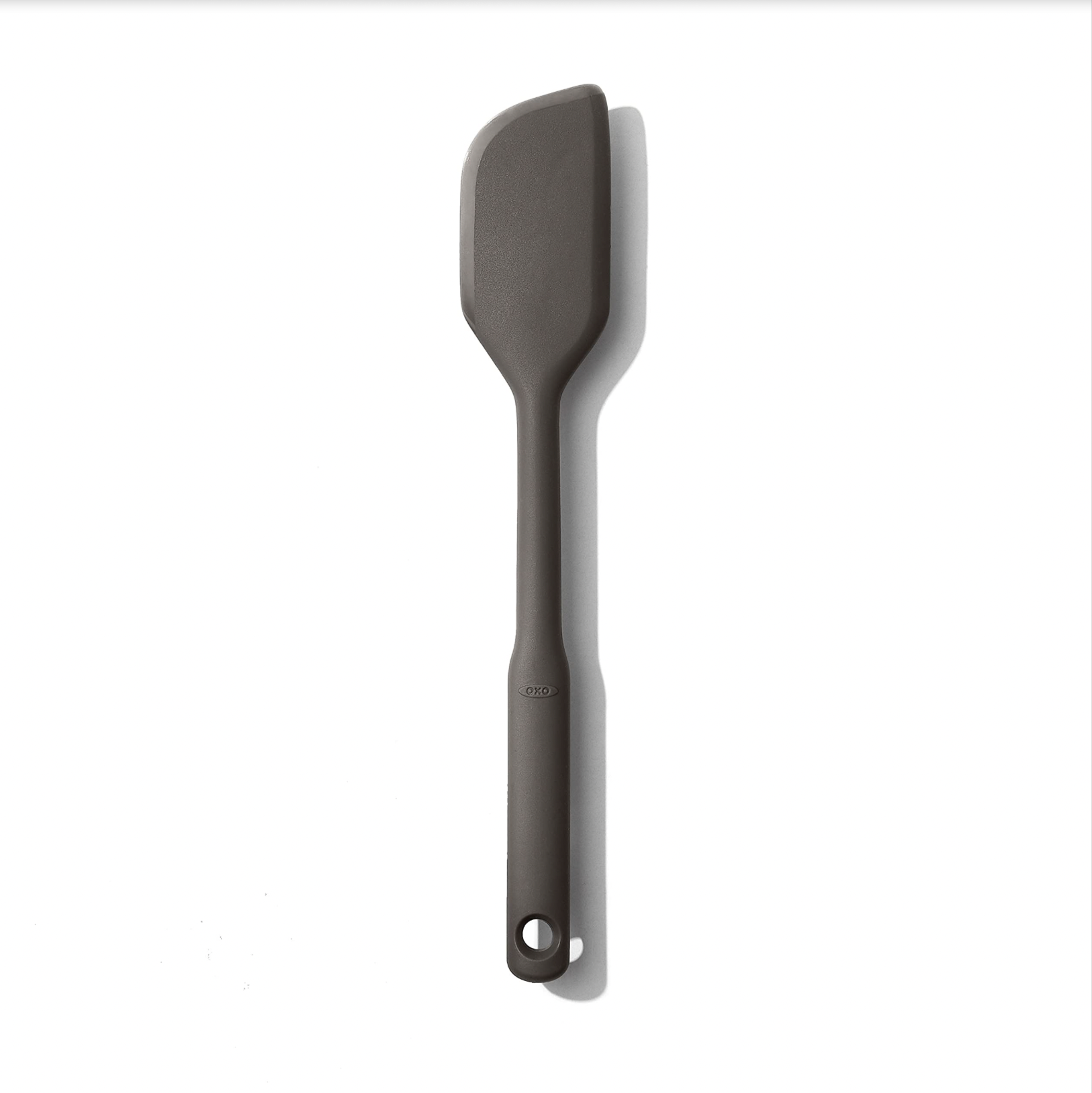
![Oxo good grips everyday spatula on amazon best silicone spatula best rubber spatula for cooking]()
Spatula
-
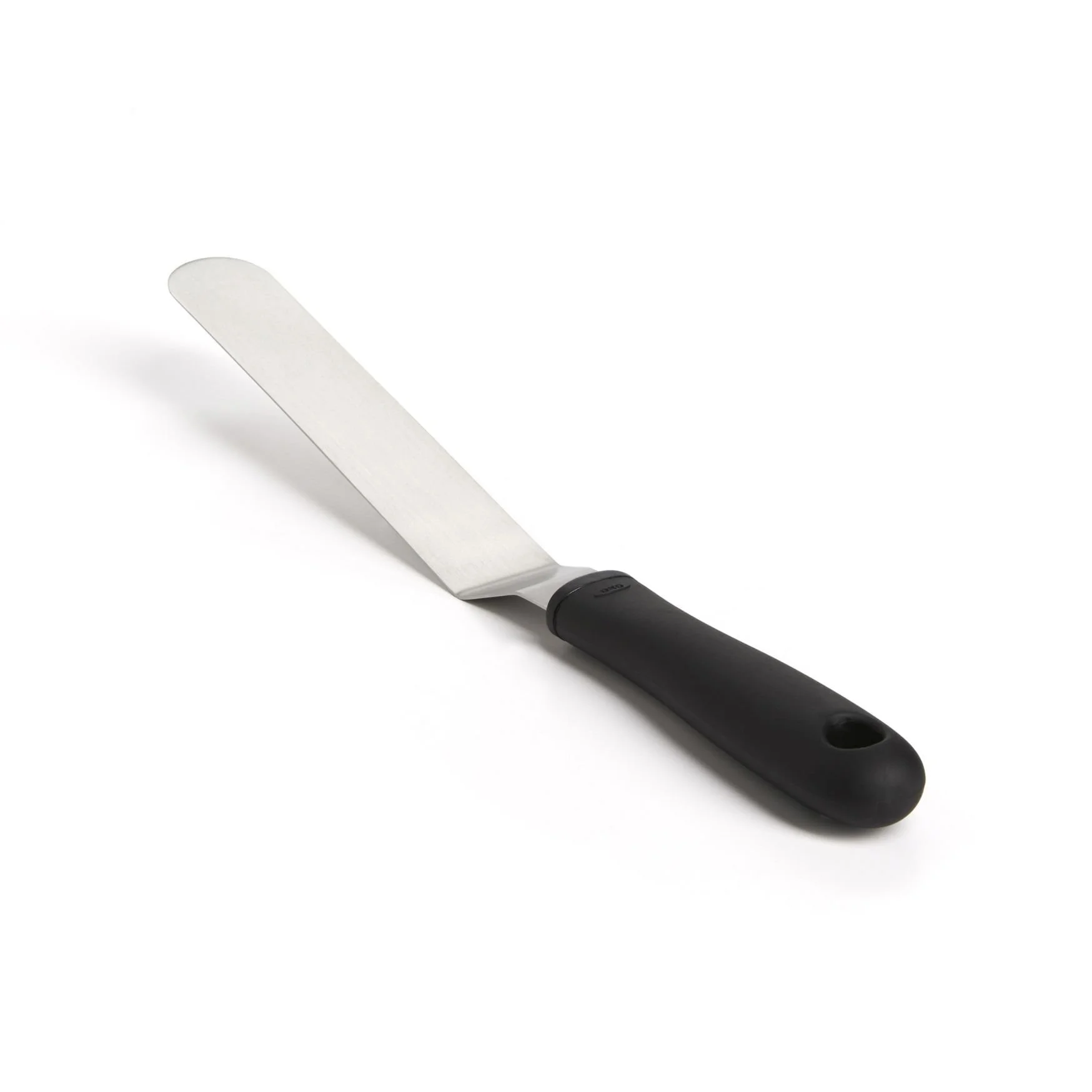
![OXO Good Grips Offset Spatula on Amazon]()
Offset Spatula
-
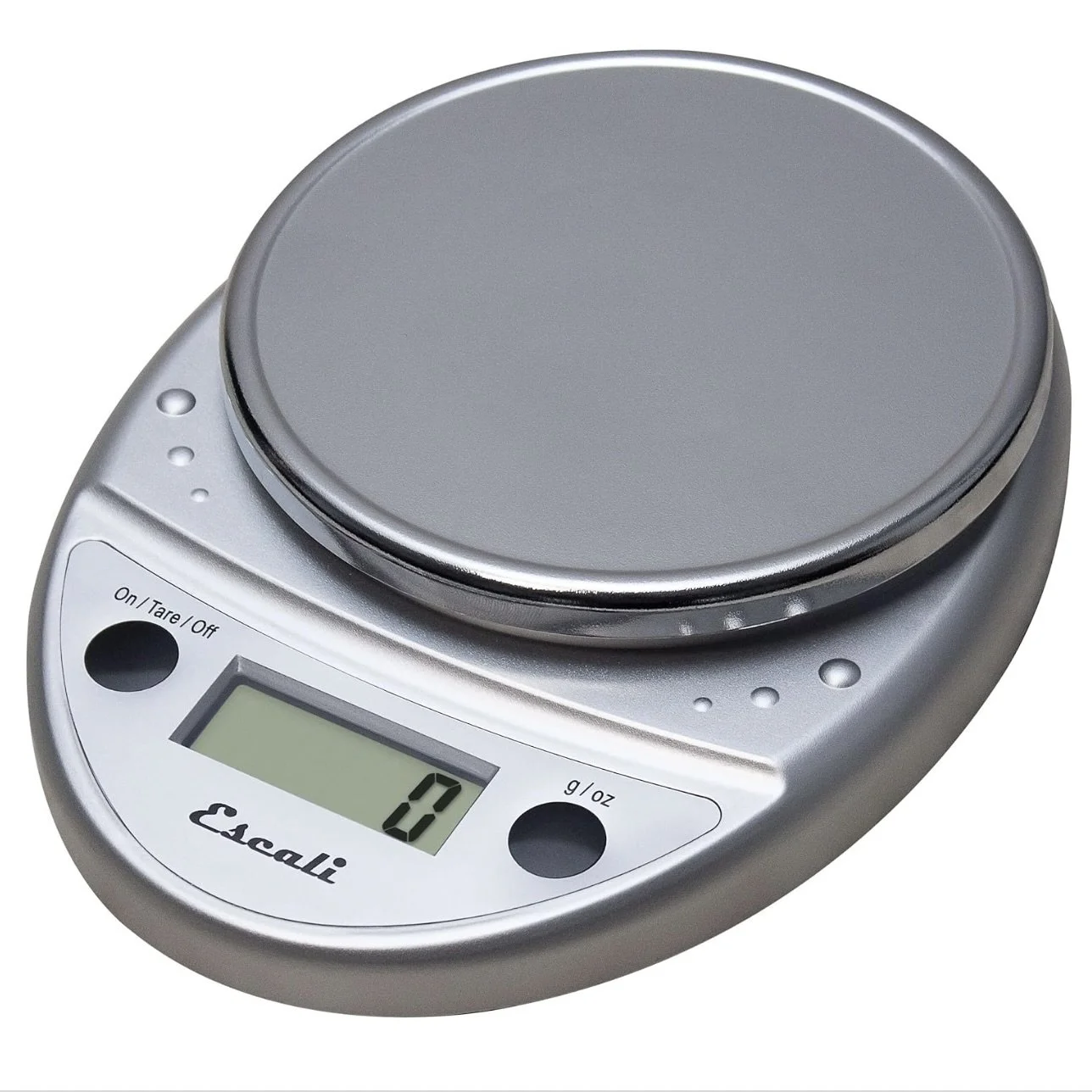
![Escali Digital Food Scale in Chrome Color on Amazon]()
Digital Kitchen Scale

INGREDIENTS
Vanilla Chiffon Cake
2 ½ cups cake flour (300 g)
1 ½ tsp baking powder
½ tsp baking soda
¾ tsp Diamond Crystal kosher salt (or ½ tsp Morton kosher salt)
2 cups granulated sugar (400 g)
4 large eggs, room temperature
¾ cup neutral oil (180 g; canola, vegetable, or grapeseed)
1 ¼ cups buttermilk, room temperature (300 g)
1 tbsp vanilla extract or vanilla bean paste
Espresso Martini Soak
1 cup freshly brewed espresso or strong hot coffee (240 g)
2 tbsp granulated sugar (25 g)
½ cup coffee liqueur, like Kahlúa or Mr. Black (120 g)
4 tbsp vodka (60 g)
½ tsp vanilla extract
Pinch kosher salt
Tiramisu Mascarpone Cream
5 large egg yolks, cold
¾ cup granulated sugar (150 g)
½ tsp Diamond Crystal kosher salt (or ¼ tsp Morton kosher salt)
1 tsp cornstarch (3 g)
2 ¼ cups mascarpone, cold (525 g)
1 ½ tbsp vanilla extract or vanilla bean paste
1 cup cold heavy cream (240 g)
Dutch-process cocoa powder, for dusting
Cascade Finish:
3 tbsp heavy cream (45 g)
DIRECTIONS
Bake the Vanilla Chiffon Cakes
Preheat oven to 325°F (165°C). Grease and line the bottoms of three 8-inch round cake pans with parchment.
In a medium bowl, whisk together the flour, baking powder, baking soda, and salt.
In a stand mixer fitted with the whisk attachment, beat the eggs and sugar on medium-high speed for 2–3 minutes, until pale and thickened.
With the mixer on low, slowly stream in the oil, mixing until fully incorporated. Then, add the buttermilk and vanilla, mixing to combine.
Add the dry ingredients to the wet mixture and whisk by hand until no streaks of flour remain.
Divide the batter evenly among the prepared pans. Tap each pan gently on the counter to release surface bubbles.
Bake for 25–30 minutes, or until springy in the center and a toothpick inserted comes out clean.
Let the cakes cool in their pans for 10–15 minutes, then run an offset spatula around the edges to loosen. Flip each cake firmly onto a wire rack, remove the parchment, and let cool completely.
Once fully cool, use a serrated knife to split each cake horizontally to create 6 total layers.
This step is optional—you may instead leave the cakes intact for a 3-layer cake with thicker mascarpone filling between each layer.Tip: For a straight, even cut, position yourself at eye level and slowly score a shallow line around the cake edge. Rotate and gradually deepen the line until cut through.
Make the Espresso Martini Soak
While the coffee is still hot, whisk in the sugar until fully dissolved. Then, stir in the coffee liqueur, vodka, vanilla, and salt.
Let cool to room temperature before using.
Make the Mascarpone Cream
In a stand mixer fitted with the whisk attachment, combine the egg yolks, sugar, salt, and cornstarch. Whip on high speed for 4–5 minutes, until thick, pale, and ribboning.
Add the cold mascarpone and beat on medium-high speed until completely smooth and lump-free, scraping down the bowl as needed.
Add the vanilla and cold heavy cream, and whip on medium-high until the mixture reaches firm peaks, about 2–3 minutes.
Reserve about 1 ¼ cups of the finished cream. Whisk in 3 tablespoons of cold heavy cream to loosen. Refrigerate until ready to pour over the cake just before serving.
Use the remaining cream immediately for assembly, or refrigerate until ready to use.
Make the Frosting
Place an 8-inch cake ring or springform pan on a cake stand or serving plate that fits in your fridge. Line the inside with a tall strip of acetate — it should be approximately 5.5 inches tall, so it extends at least ½ inch above the assembled cake.
(If you do not have a cake ring or acetate, you can assemble the cake free-form.)
Place one cake layer inside the ring, cut side up. Brush generously with the espresso soak.
Add a layer of mascarpone cream and smooth with the back of a spoon or an offset spatula.
Repeat with the remaining layers, finishing with a final layer of cake, cut side up, then brush generously with espresso soak.
Chill the assembled cake in the refrigerator for at least 8 hours, preferably overnight.
Just before serving, remove the cake ring, leaving the acetate in place (if you have it).
Pour the reserved, thinned mascarpone cream onto the top layer, allowing it to fill the top and settle within the acetate collar. If you're not using acetate, simply pour the cream over the top and let it naturally flow down the sides.
Dust the top generously with Dutch-process cocoa powder.
If using acetate, remove the strip to let the cream naturally cascade down the sides.
Serve cold. Store the cake in the refrigerator for up to 3 days.
RECIPE NOTES & TIPS
This mascarpone cream is made with uncooked egg yolks, which is traditional in tiramisu and gives the filling its rich, silky texture. If you're concerned about food safety, you can use pasteurized eggs, which are gently heat-treated to kill bacteria while preserving functionality.
While splitting the cake into 6 thin layers gives you that classic tiramisu “many-layer” look and texture, you can absolutely keep the cake in 3 full layers and simply use more mascarpone cream between each. If you do choose to split the layers, use a serrated knife and work slowly at eye level. A cake turntable can help keep your cuts level and even.
Be sure to let the espresso soak cool to room temperature before brushing it onto the cake. Adding it hot can melt the cream and compromise the structure.
If you prefer, you can substitute the vodka with dark rum. While vodka is more traditional in an espresso martini, dark rum adds a richer, warmer depth of flavor.
To be precise and consistent when baking, I recommend using a Digital Food Scale. The one I linked is relatively inexpensive and in my opinion, a great investment for any home kitchen! But if you don’t have one, I’ll always include cup measurements as well.