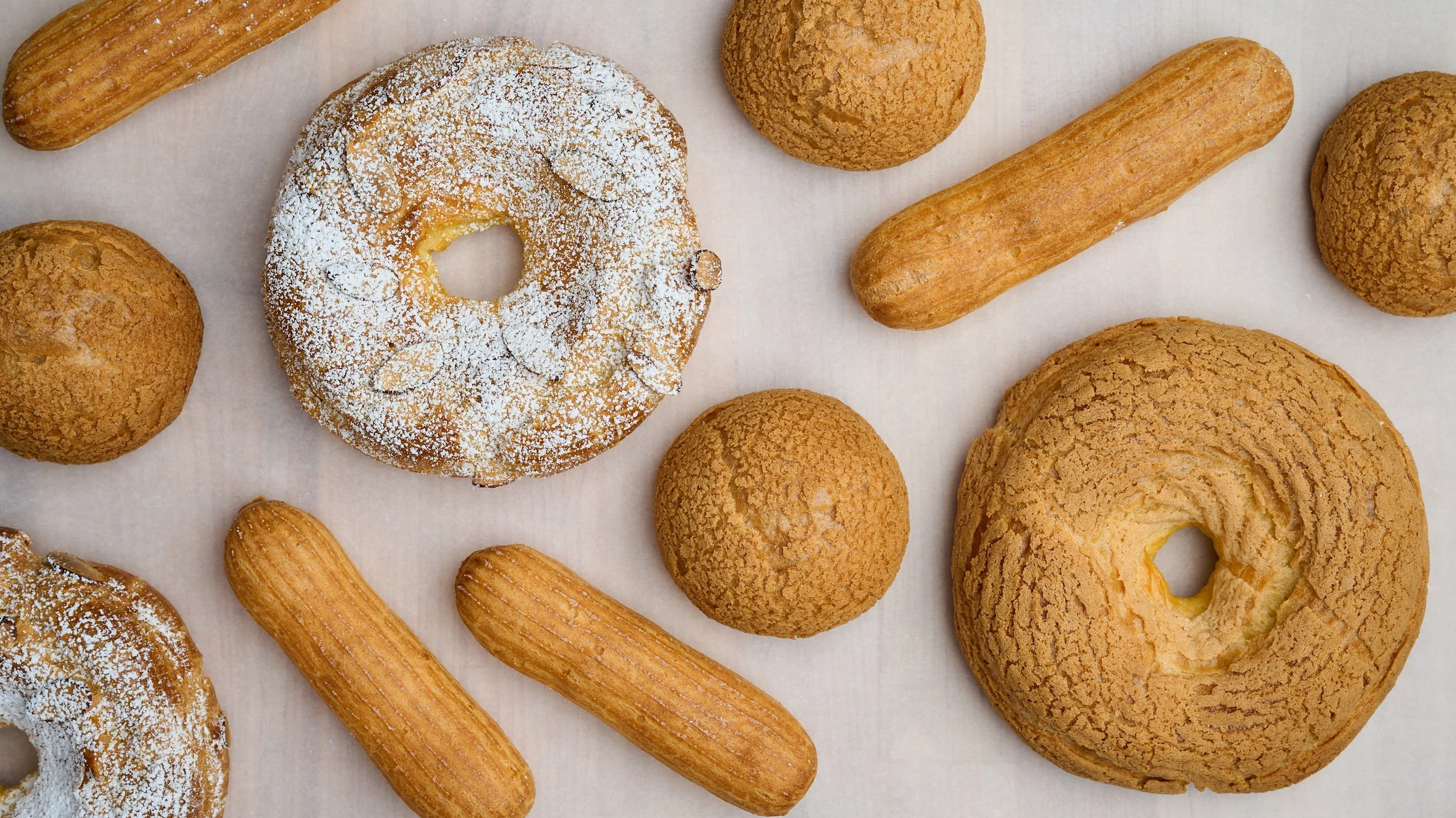
Classic Pâte à Choux
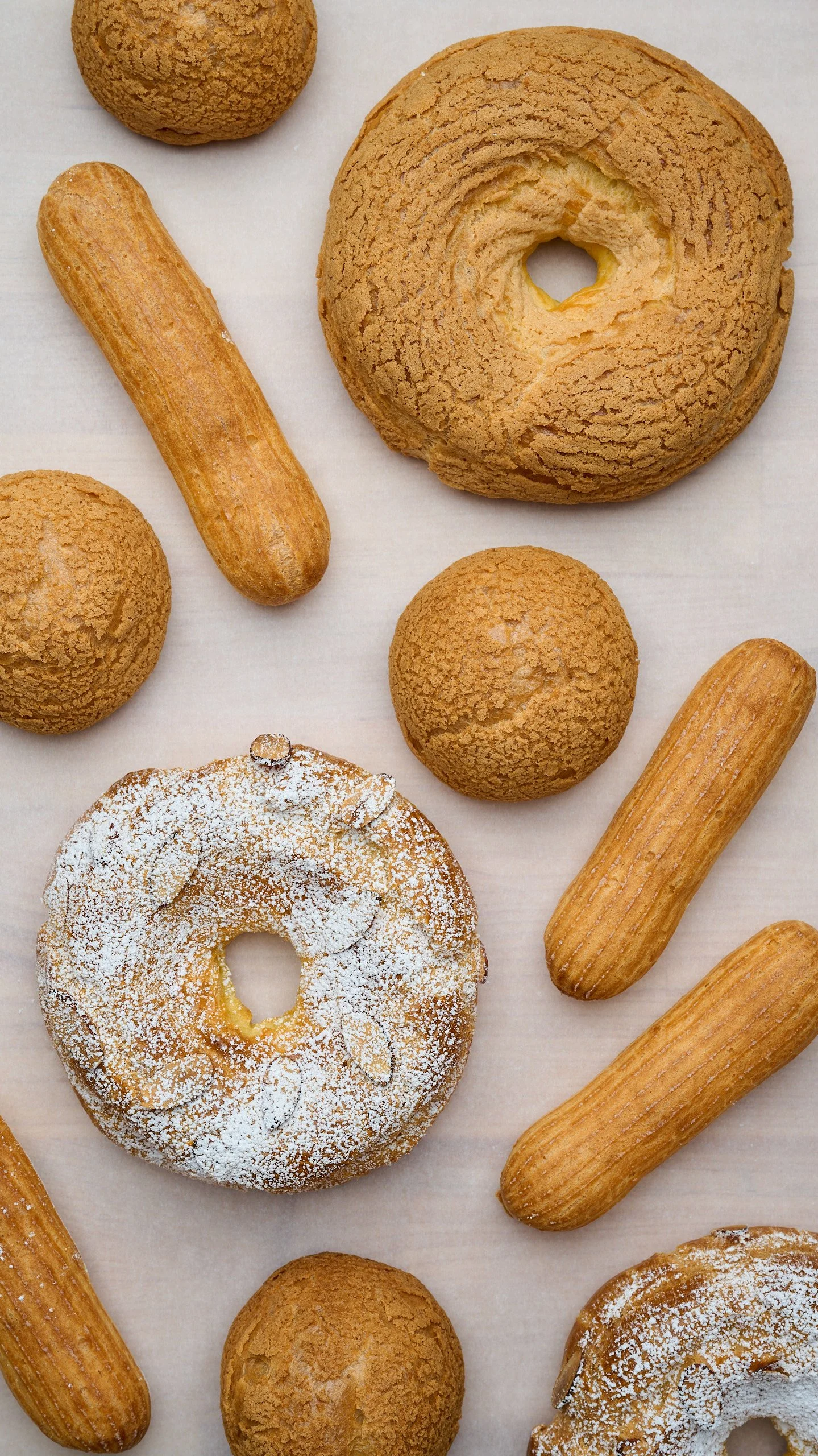
Approximately 18–24 cream puffs, 18–20 éclairs or 3 Paris-Brest ringsPâte à choux used to be one of those doughs that really intimidated me. Although it can be temperamental, once you understand the fundamentals, it’s surprisingly simple to make AND incredibly versatile.
In this guide, I’ll walk you through how to make classic pâte à choux and shape it into cream puffs, éclairs, or Paris-Brest. But those are only the beginning. Variations of this dough can also be fried to make churros or French crullers, or combined with cheese to create savory gougères.
For the filling, try classic pastry cream, crème diplomate, or crème mousseline, all of which I have recipes for here. I’ve also included an optional craquelin: a simple mixture of butter, brown sugar, and flour that bakes into a crisp, lightly sweet topping. As the choux expands, the craquelin helps encourage a more even rise and uniform shape while adding the most delicious crackled texture. It may sound fancy, but it’s incredibly easy to make and makes such a difference.
Whatever you decide to use it for, pâte à choux is a great classic recipe to learn and a really useful one to have in your back pocket.
WHAT YOU’LL NEED
-
![Saucepan on amazon best chocolate rolls recipe best chocolate rolls]()
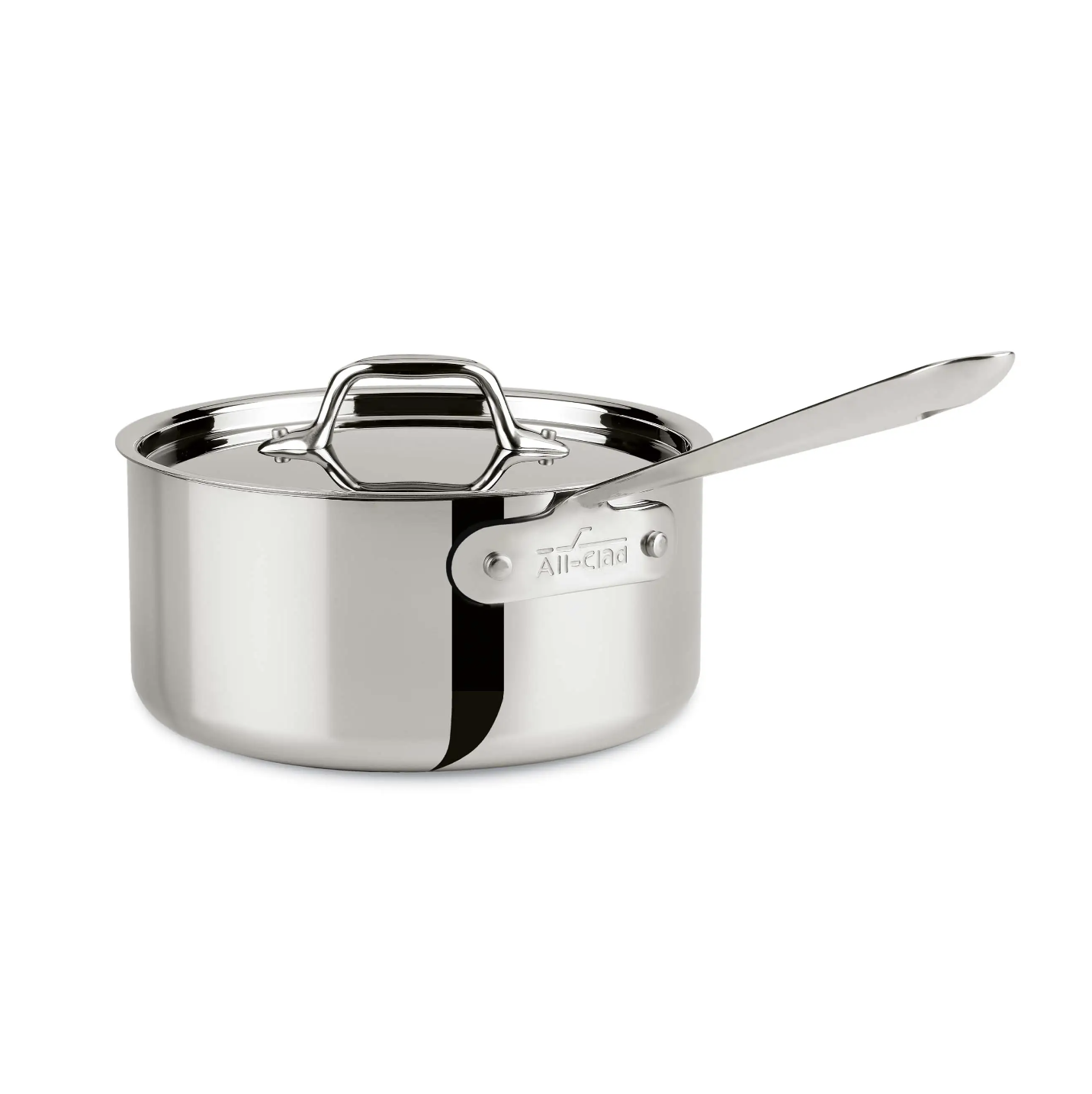
Medium Saucepan
-
![Oxo good grips wooden turner wooden spoon amazon best wooden spoons for cooking wooden spatula]()
Wooden Spoon
-
![Kitchen Aid Five Quart Stand Mixer in Matte Black Finish on Amazon]()
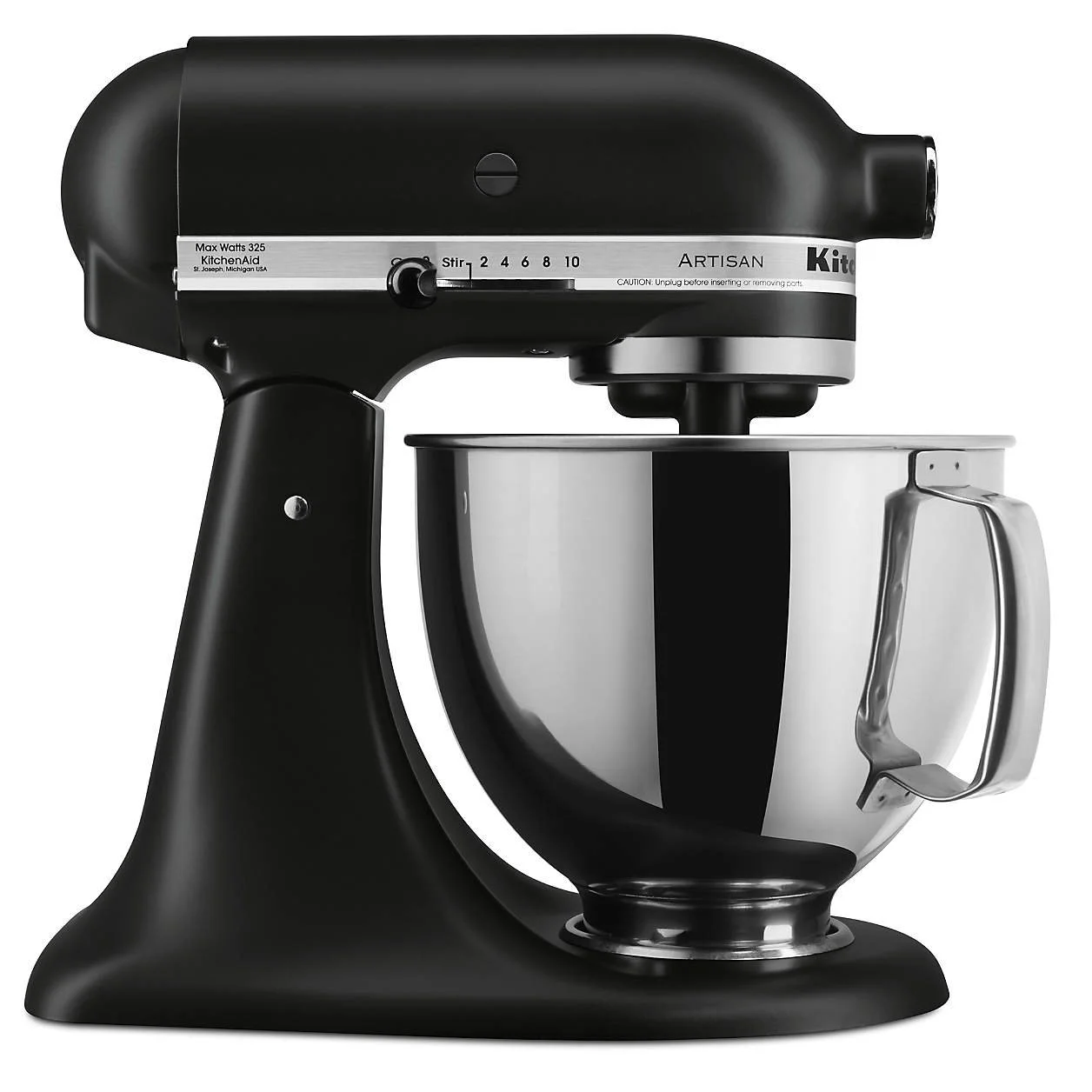
Stand Mixer
-
![piping tips on amazon churro piping tips ateco star piping tips open star piping tips piping tip set]()
Medium Star Piping Tip
-
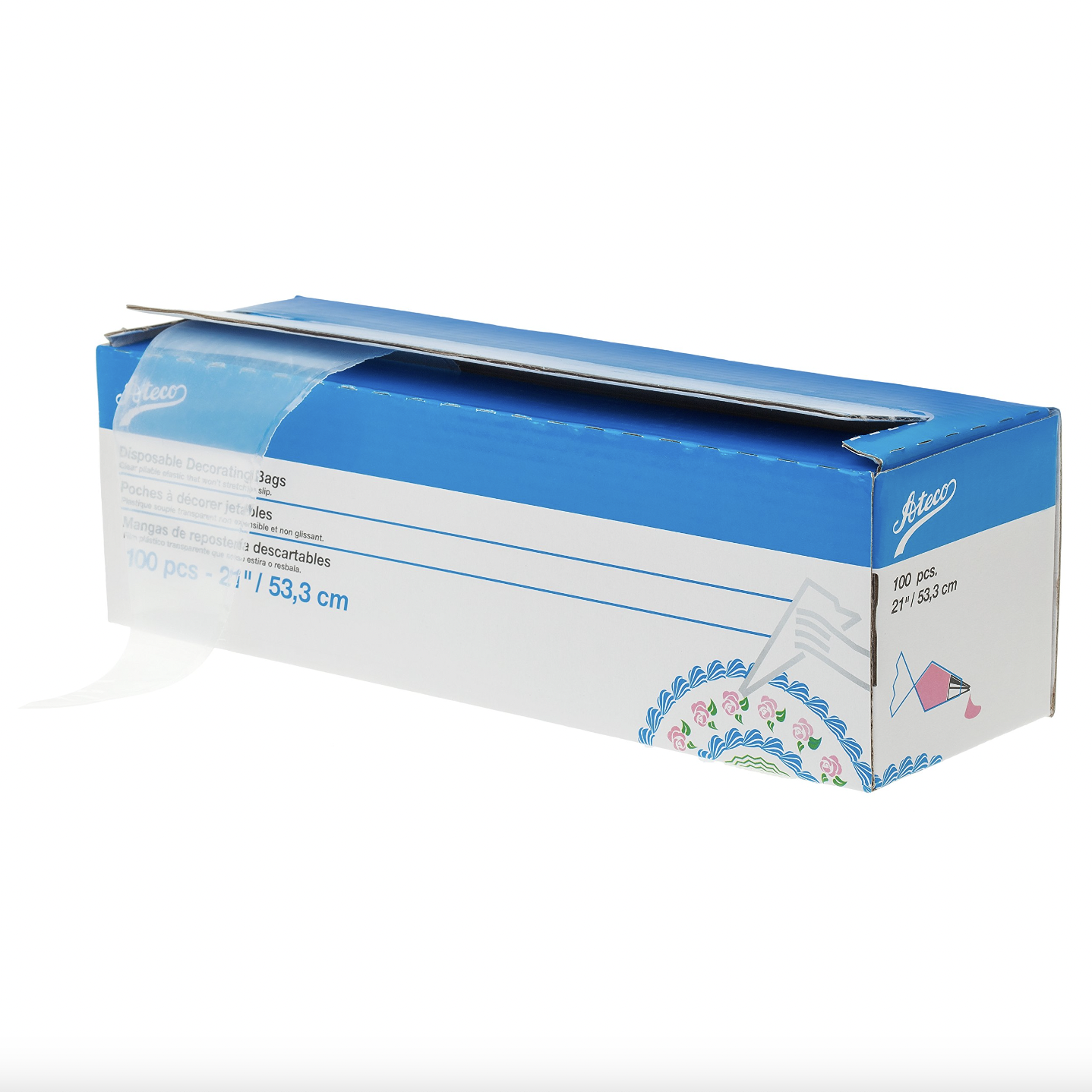
![Disposable decorating bags plastic piping bags the best piping bags large]()
Piping Bags


INGREDIENTS
Pâte à Choux Dough
½ cup water (120 g)
½ cup whole milk (120 g)
½ cup (1 stick) unsalted butter, cut into pieces (113 g)
1 tsp granulated sugar (4 g)
1 tsp Diamond Crystal kosher salt or ¾ tsp Morton kosher salt
1¼ cups all-purpose flour (150 g)
4 large eggs, room temperature
1 additional large egg, only if needed
Optional: 1 batch Craquelin (recipe below; prepare before making the choux)
Additional Ingredients
Cream puffs: Optional prepared craquelin (below)
Éclairs: Powdered sugar for dusting or prepared craquelin
Paris-Brest: 1 beaten egg and sliced almonds, or prepared craquelin
Optional Craquelin
4 tbsp unsalted butter, softened (56 g)
⅓ cup packed light brown sugar (70 g)
½ cup all-purpose flour (60 g)
Pinch of salt
DIRECTIONS
Make the Pâte à Choux Dough
Preheat the oven to 400°F with a rack in the center.
Combine the water, milk, butter, sugar and salt in a medium saucepan. Heat over medium, stirring occasionally, until the butter is completely melted and the mixture reaches a full boil.
Remove from the heat and add the flour all at once. Stir vigorously until no dry flour remains. Return the saucepan to medium-low heat and cook, stirring constantly, for about 3 minutes, until the dough forms a smooth ball and leaves a thin film on the bottom of the pan.
Transfer the dough to a stand mixer fitted with the paddle attachment. Mix on low for 1–2 minutes to release steam and cool the dough to approximately 125–130°F.
With the mixer running on medium-low, add the first 3 eggs one at a time, allowing each to incorporate completely before adding the next. Scrape down the bowl and paddle as needed.
Check the consistency before adding the fourth egg. The dough should be smooth and glossy but thick enough to hold its shape when piped. When the paddle is lifted, it should fall slowly in a heavy ribbon and leave a V shape hanging from the paddle.
If the dough is still too stiff, add the fourth egg and check again. If needed, beat the fifth egg and add it 1 teaspoon at a time. Stop as soon as the dough reaches the correct consistency; you may not need all of the egg.
Line one or two sheet pans with parchment paper. Fit a piping bag with a round tip with a ½-inch opening for cream puffs, a medium French-star tip such as Ateco 866 for éclairs or either tip for Paris-Brest. Transfer the dough to the piping bag, then choose one shaping method below and pipe directly onto the prepared parchment:
For Cream Puffs: Pipe rounded mounds 1½–2 inches in diameter, leaving at least 2 inches between them. Stop squeezing before lifting the piping tip, then smooth any points with a lightly dampened fingertip. If using craquelin, center a frozen disc over each mound without pressing down.
For Éclairs: Pipe 4–5-inch lines, leaving approximately 2 inches between them. Pipe the dough tall rather than broad and flat. Stop squeezing before pulling the tip away, then smooth the ends with a lightly dampened fingertip. Just before baking, dust lightly with powdered sugar. If using craquelin, omit the powdered sugar and place a frozen strip over each éclair without pressing down.
For Paris-Brest: Pipe a 5-inch ring, followed by a second ring directly inside it so the two rings touch. Pipe a third ring on top, centered over the seam between the bottom rings. Begin and end each ring in a different place so the joins do not stack. Brush lightly with beaten egg and sprinkle with sliced almonds. If using craquelin, omit the egg wash and place a frozen craquelin ring over the dough; sliced almonds are optional.
Bake the Pâte à Choux
Bake one sheet pan at a time, keeping pastries of similar size and shape together. Keep any remaining pans of piped choux in the freezer, uncovered, while they wait. Bake those pans directly from frozen, allowing additional time at 350°F as needed.
Bake in the preheated 400°F oven for 15 minutes. Then, without opening the oven, reduce the temperature to 350°F.
Continue baking until deeply golden, crisp and firm: cream puffs, approximately 15–20 minutes more; éclairs, approximately 20–25 minutes more; Paris-Brest, approximately 25–35 minutes more.
Transfer to a wire rack and cool completely before filling.
If baking another pan, return the oven to 400°F and allow it to fully preheat before adding the next pan.
To Make Optional Craquelin
Using a flexible spatula, mix the softened butter and brown sugar until smooth. Add the flour and salt and mix until a cohesive dough forms.
Place the dough between two sheets of parchment paper and roll to an even thickness of approximately ¹⁄₁₆ inch (1.5–2 mm).
Keeping the dough between the parchment, slide it onto a sheet pan and freeze for about 20 minutes, until firm.
Peel away the top sheet of parchment and cut shapes to fit your piped choux:
Cream puffs: Cut discs approximately the same diameter or a little larger than the piped mounds.
Éclairs: Cut strips approximately the same length and width as the piped dough.
Paris-Brest: Use two round cutters or a knife to cut rings that sit over the piped dough, leaving the center opening clear.
Keep the cut pieces frozen until ready to use. Immediately before baking, center a frozen piece over each pastry without pressing down. Bake according to the instructions above.
RECIPE NOTES & TIPS
Tracing guides for piping: With a pencil, trace 1½–2-inch circles at least 2 inches apart for cream puffs, draw 4–5-inch lines approximately 2 inches apart for éclairs or trace 5-inch circles at least 3 inches apart for Paris-Brest. Turn the parchment marked-side down before piping.
Piping technique: Press the dough against the sides of the piping bag as you fill it to minimize air pockets. Hold the bag vertically for cream puffs and at approximately a 45-degree angle for éclairs. Stop applying pressure before lifting or pulling away the tip, then smooth any points with a lightly dampened fingertip.
Adding the eggs: The exact number of eggs needed can vary depending on how much moisture evaporates while cooking the dough, the size of the eggs and small differences in flour measurement. Use the dough’s consistency as your guide and add the final beaten egg only 1 teaspoon at a time.
Freezing unbaked choux: Freeze the piped choux on a parchment-lined pan until solid, then transfer it to an airtight container and freeze for up to 1 month. Bake directly from frozen without thawing, allowing additional time at 350°F as needed.
Storing and restoring crispness: Cool unfilled shells completely, then store them in an airtight container at room temperature for up to 1 day or freeze them for up to 1 month. Reheat unfilled shells at 350°F for 5–10 minutes, then cool completely before filling.
Filled pastries: Fill the shells as close to serving time as possible. Refrigerate filled pastries and enjoy them within 24 hours for the best texture.