Pie Crust Guide: 3 Classic Recipes
MAKES 1 GENEROUS SINGLE CRUST FOR AN 8- TO 10-INCH PIEThese are the three classic pie crust recipes I’ve relied on for years. Each one is outlined below, with instructions for making the dough by hand or in a food processor. I love the food processor for efficiency and usually use it when making a single crust. For larger batches that won’t comfortably fit in the food processor, I make the dough by hand.
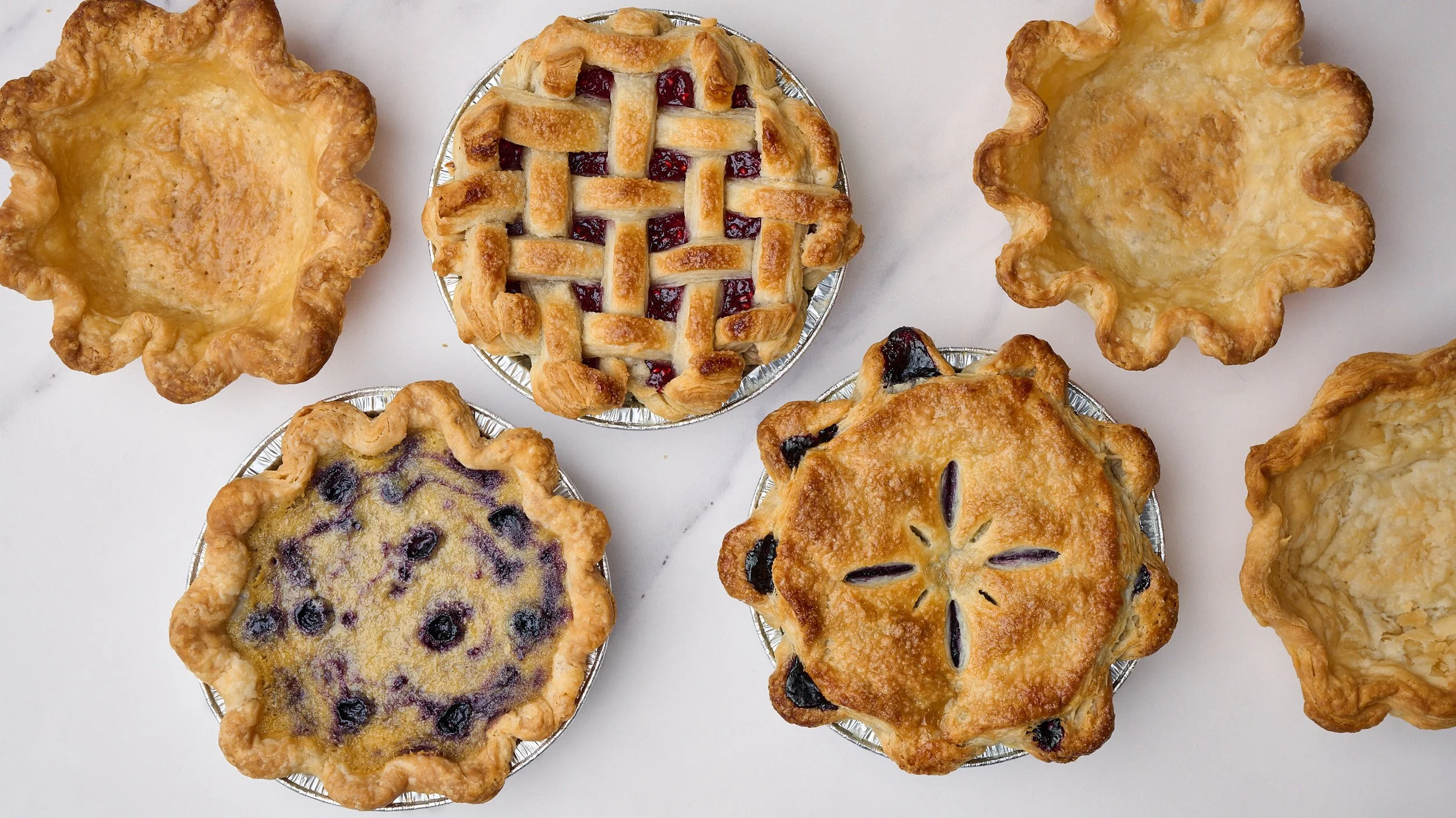
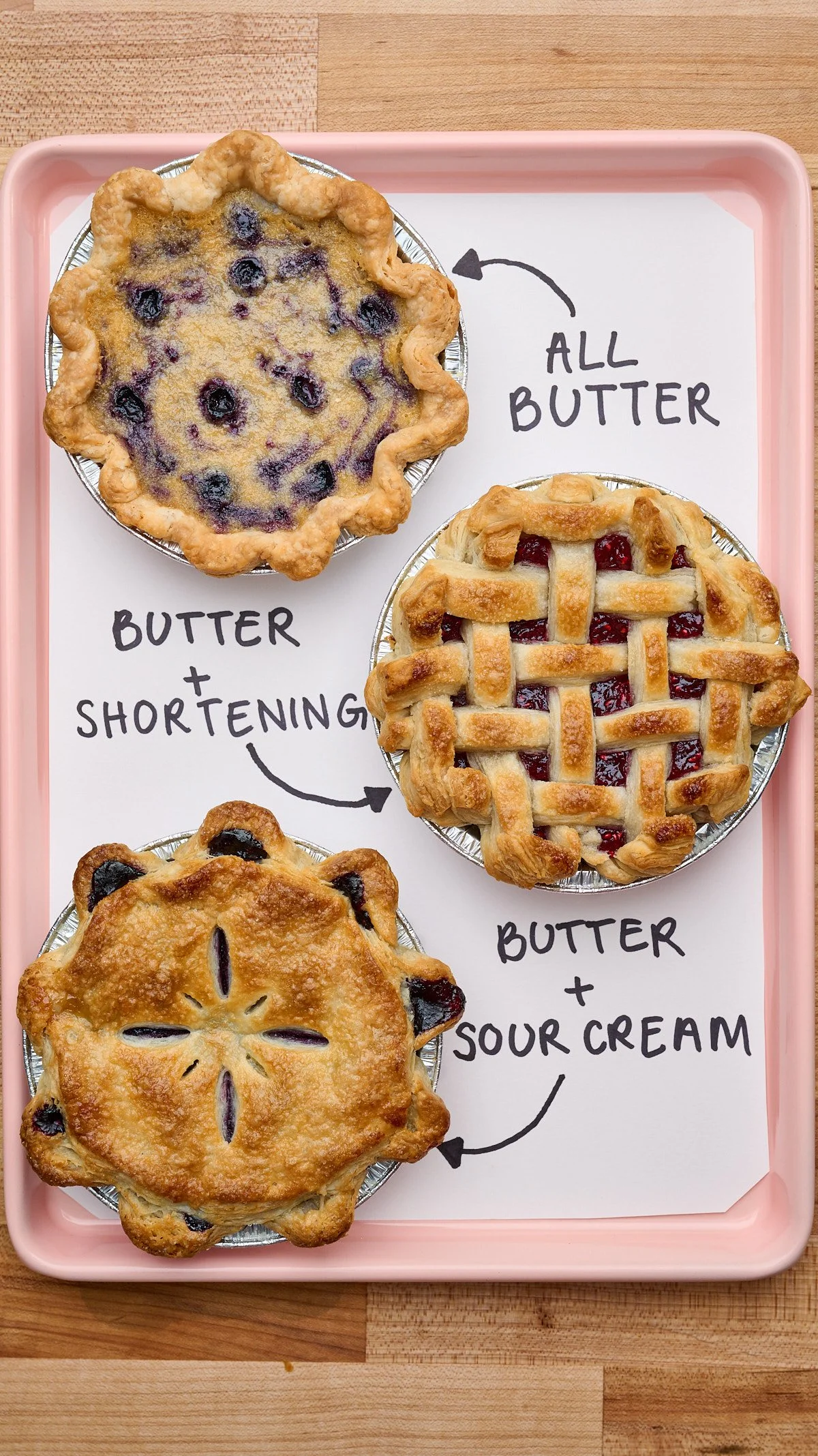
There is no single “best” pie crust. The right choice depends on what you’re making and the texture or finish you want. All three bake up flaky; the difference is in flavor, tenderness, and how the dough handles.
Choose the All-Butter Crust for the best flavor and browning. It’s the crust I use most often for classic pies, galettes, and slab pies.
Choose the Butter + Shortening Crust when clean shapes matter. I reach for it when making lattices, decorative edges, cutouts, and more detailed pies.
Choose the Sour Cream Crust when you want a softer, more tender, easy-to-roll dough. It is my go-to for hand pies, turnovers, and savory pies that need to fold and seal neatly.
For a double-crust pie, lattice, or batch of hand pies, I recommend doubling the recipe.
WHAT YOU’LL NEED
-
![Cuisinart Nine Cup Food Processor on Amazon]()
Food Processor (optional)
-
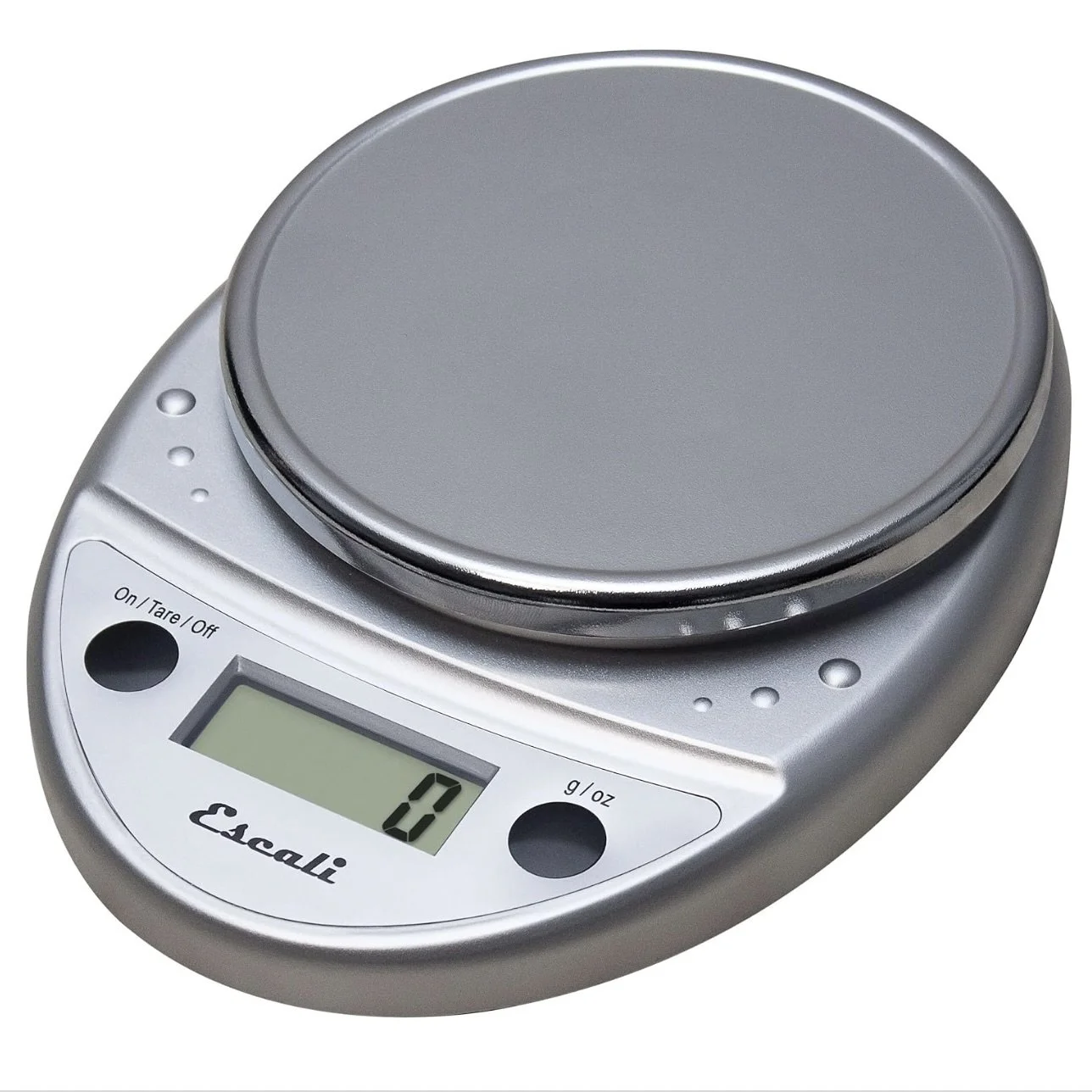
![Escali Digital Food Scale in Chrome Color on Amazon]()
Digital Kitchen Scale
-
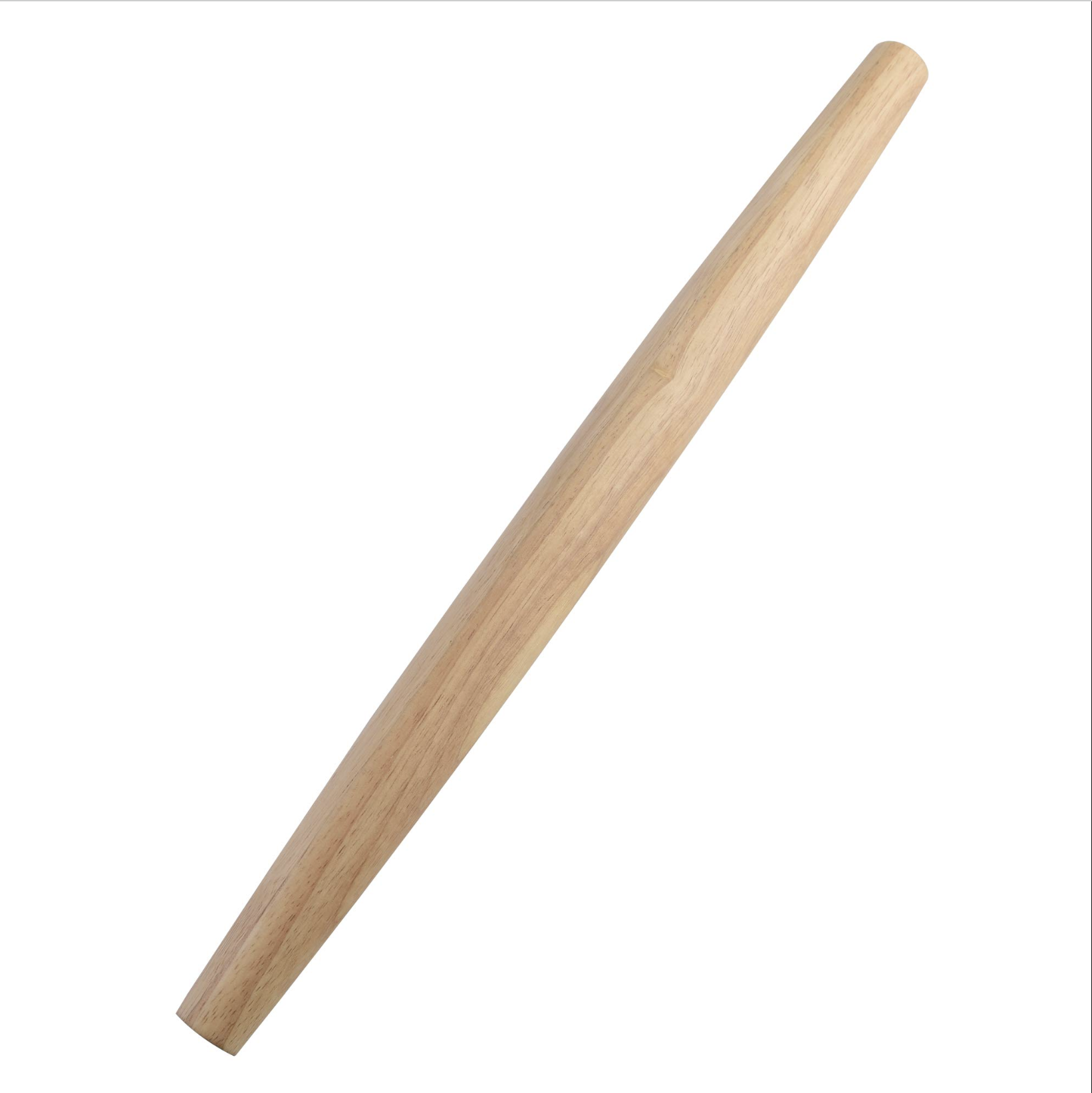
![Best rolling pin amazon best french rolling pins rolling pin for sale best rolling pin]()
Rolling Pin

INGREDIENTS
All-Butter Pie Crust
1 ½ cups all-purpose flour (195 g)
1 ½ tbsp granulated sugar (18 g)
¾ tsp Diamond Crystal kosher salt, or ½ tsp Morton kosher salt
10 tbsp unsalted butter, very cold and cubed (142 g)
Recommend freezing for 5-10 min after cubing
4 ½ tbsp ice-cold water (67 g), plus more only as needed
Optional: replace 2 tbsp of the water with 2 tbsp ice-cold vodka
1 ½ tsp apple cider vinegar
Butter & Shortening Pie Crust
1 ½ cups all-purpose flour (195 g)
1 ½ tbsp granulated sugar (18 g)
¾ tsp Diamond Crystal kosher salt, or ½ tsp Morton kosher salt
8 ½ tbsp unsalted butter, very cold and cubed (121 g)
Recommend freezing for 5-10 min after cubing
2 tbsp vegetable shortening, very cold (21 g)
4 ½ tbsp ice-cold water (67 g), plus more only as needed
Optional: replace 2 tbsp of the water with 2 tbsp ice-cold vodka
1 ½ tsp apple cider vinegar
Butter & Sour Cream Pie Crust (Food Processor Method Recommended)
1 ½ cups all-purpose flour (195 g)
1 ½ tbsp granulated sugar (18 g)
¾ tsp Diamond Crystal kosher salt, or ½ tsp Morton kosher salt
9 ½ tbsp unsalted butter, very cold and cubed (134 g)
Recommend freezing for 5-10 min after cubing
½ cup plus 2 tbsp cold full-fat sour cream (140 g)
DIRECTIONS
To Make the Crust by Hand (for all 3 pie crusts)
In a large bowl, whisk together the flour, sugar, and salt.
Add the cubed cold butter (for the Butter + Shortening Crust, add the shortening as well). Toss until every piece is coated in flour.
Using your fingertips or a pastry blender, press and flatten the fat into smaller pieces, one by one. Stop when the mixture contains a combination of pea-sized butter pieces and larger, flattened flakes. The remaining flour should look coarse and sandy.
Mix in the moisture:
For the All-Butter and Butter + Shortening Crust: drizzle in the water and apple cider vinegar. Toss gently with your hands or a spatula to combine.
For the Sour Cream Crust: add the cold sour cream in several dollops and mix with a spatula or fork to combine.
Turn out the mixture onto a clean work surface and press the dough together by hand, pressing it flat and folding it over itself 1–2 times, just until the dough comes together with no large pockets of dry flour and small visible pieces of butter throughout.
If the dough is crumbling apart when squeezed together or there still seem to be too many dry bits of flour, drizzle in more ice water 1 tsp at a time.
Shape the dough into a 1-inch-thick disc. Wrap tightly in plastic wrap, pressing out excess air.
Refrigerate for at least 1 hour, though 2 hours or overnight is even better, before rolling.
To Make the Crust in a Food Processor (for all 3 pie crusts)
Add the flour, sugar, and salt to the bowl of a food processor. Pulse 2 to 3 times to combine.
Add the cubed cold butter (for the Butter & Shortening Crust, add the shortening as well). Pulse in short, 1-second bursts about 10-12 times, or until the mixture contains pea-sized pieces and some slightly larger flakes of butter. Do not run the processor continuously; pulse only.
Add the moisture:
For the All-Butter and Butter + Shortening Crusts: drizzle in the water and apple cider vinegar.
For the Sour Cream Crust: add the cold sour cream.
Pulse just until the dough starts to come together in scattered uneven clumps. It should still look sandy; do not process until it gathers into one smooth mass.
Turn out the mixture onto a clean work surface and press the dough together by hand.
If the dough is crumbling apart when squeezed together or there still seem to be too many dry bits of flour, drizzle in more ice water 1 tsp at a time.
Shape the dough into a 1-inch-thick disc. Wrap tightly in plastic wrap, pressing out excess air.
Refrigerate for at least 1 hour, though 2 hours or overnight is even better, before rolling.
Before rolling, let the dough (especially if using the All-Butter Crust) sit at room temperature for 10 to 15 minutes, until it is cold but pliable enough to roll without cracking.
Lightly flour your work surface and rolling pin. Starting from the center of the dough, roll outward in all directions, rotating the dough often and adding only enough flour to prevent sticking. Roll into about ⅛ inch thick.
Follow your specific pie recipe for shaping, filling, blind baking, and final baking instructions.
Store unbaked pie dough, well wrapped, in the refrigerator for up to 3 days or in the freezer for up to 3 months.
RECIPE NOTES & TIPS
Use a scale when possible; the gram weights are the most reliable measurement for consistent pie dough. If measuring flour by volume, spoon it lightly into the measuring cup and level it off rather than scooping directly from the bag.
Keep the butter, shortening, sour cream, and water very cold. Cold, distinct pieces of fat create flaky layers as the crust bakes. After cubing the butter, I like to pop it in the freezer for 5 to 10 minutes so it is especially well chilled.
Do not knead or overwork pie dough. Use your hands and a bench scraper to gently press and fold it together just until no dry flour remains. Kneading develops gluten and can make the crust tough.
For a hydration trick, replace 2 tablespoons of the ice water with 2 tablespoons of ice-cold vodka in the All-Butter or Butter + Shortening Crust. Because vodka is only about 60% water, it helps the dough come together while hydrating the flour less than the same amount of water would. This limits gluten development, and the alcohol bakes off in the oven, leaving behind a crust that's tender, flaky, and easy to roll.
Apple cider vinegar is often said to inhibit gluten development and make pie crust more tender, but the research shows there is not enough acid present to make a meaningful difference in texture. I like to add it for its subtle tang and because the acidity helps slow oxidation, keeping the dough from graying as it rests.
Let very cold dough sit briefly before rolling, especially the All-Butter Crust, which firms up the most. If it is too firm straight from the refrigerator, let it sit at room temperature for 10 to 15 minutes so it can roll without cracking.
Chill the shaped crust in the freezer for 20-30 minutes before baking to help the dough relax and the butter firm back up. This helps the crust hold its shape and reduces shrinking, especially for crimped edges and decorative designs.
For a standard partial blind bake, line the chilled pie shell with foil, gently pressing it into the corners and up the sides. Fill completely with pie weights, dried beans, or rice, then bake at 425°F (220°C) for 20–25 minutes, or until the edges are lightly golden. Carefully remove the foil and weights, dock the bottom of the crust with a fork, then continue baking for 5–10 minutes, or until the bottom looks dry and matte.
For a standard 9-inch double-crust pie, lattice, or batch of hand pies, double the recipe.
For a fully savory pie, reduce the sugar to 1 ½ teaspoon.